


Key Takeaways
- Real estate buyer preferences are shaped by more than the property itself. Your budget, preferred location, lifestyle, space needs, neighborhood, property condition, amenities, and future plans can all influence which home feels right for you.
- Knowing your priorities before you begin a property search can make the buying process easier. When you separate essential needs from optional features, you can compare properties more clearly and make a decision that supports both your present and future goals.
Understanding What Matters When Choosing A Property
Buying real estate is a major decision. You are not simply choosing a building or a piece of land. You are choosing a location, a lifestyle, a financial commitment, and a property that may need to serve you for years.
This is why understanding real estate buyer preferences is useful before you begin comparing properties. Every buyer has different priorities. You may want a quiet neighborhood, while another buyer may value access to business areas. You may need extra bedrooms, while someone else may prefer a smaller property with easier maintenance.
The right property is therefore not always the largest, newest, or most impressive option. It is the property that fits your needs and priorities most closely.
Key Factors That Influence Real Estate Buyer Preferences
Several factors can shape your property purchase decision. Some relate directly to the home. Others involve the surrounding area and your plans for the future.
What Should You Consider Before Starting Your Property Search?
Before looking at listings, create a clear picture of what you need. Consider how you live now and how your needs may change.
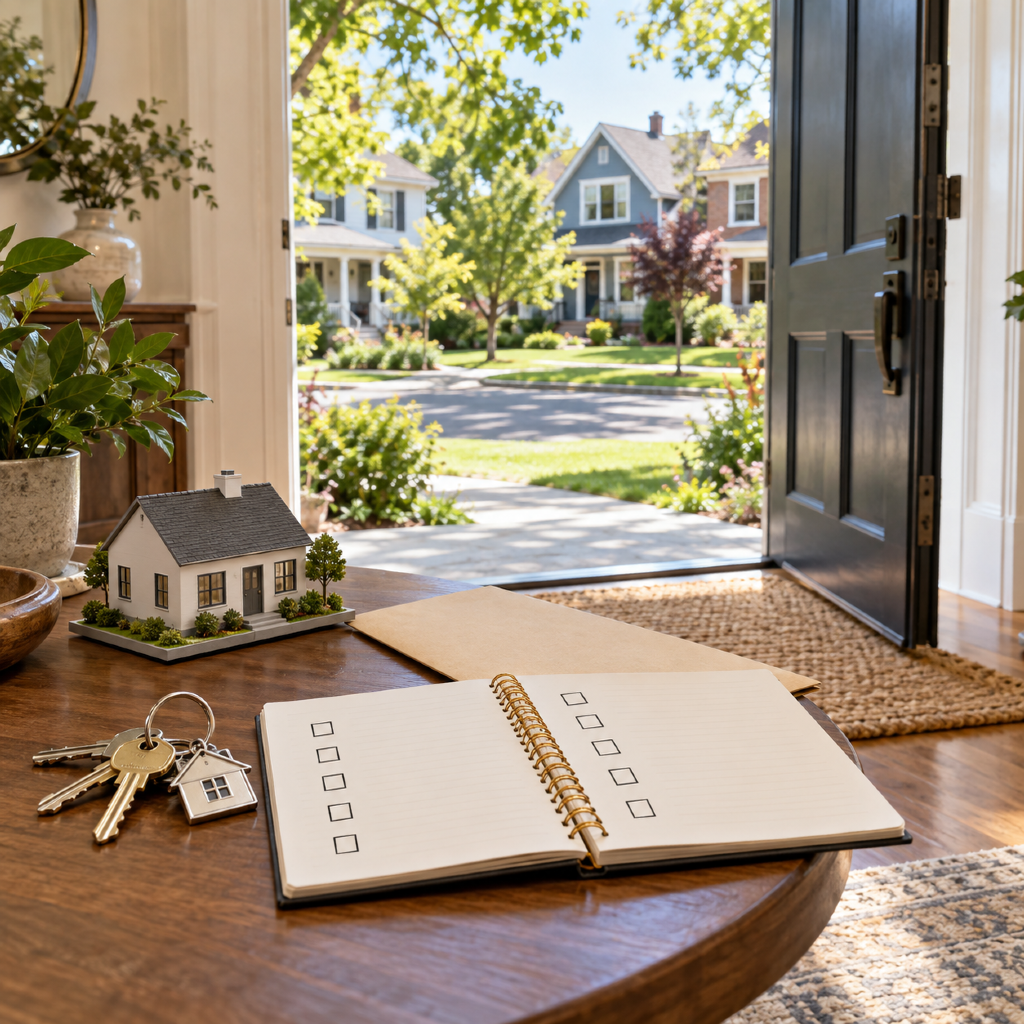
Your initial property checklist may include:
- Preferred location or neighborhood
- Property type
- Number of bedrooms and bathrooms
- Indoor and outdoor space
- Parking needs
- Access to transport
- Nearby services and amenities
- Property condition
- Privacy and security
- Layout and storage
- Long-term suitability
Separating these items into essential needs and preferred features can make your search more focused. It can also help you avoid being distracted by attractive features that do not support your main goals.
How Does Location Affect Property Purchase Decisions?
Location is often one of the strongest influences on property purchase decisions. You can renovate or update many parts of a home, but you cannot move the property to another neighborhood.
Think about your regular activities. Consider where you work, where family members need to travel, and which services you use often. Access to major roads, public transport, shopping areas, healthcare, education, parks, and other services may affect how convenient a property feels.
Why Should You Look Beyond The Property Boundary?
A property may meet your space and design needs but still be unsuitable because of its surroundings. Look at the wider neighborhood rather than focusing only on the home.
Consider traffic, noise, access, surrounding development, road conditions, public spaces, and the general character of the area. You should also think about whether the neighborhood supports your preferred lifestyle.
Visit the area with practical questions in mind. Can you reach the places that matter to you conveniently? Does the surrounding environment suit your daily routine? Does the area offer the level of privacy and accessibility you want?
These questions can help you evaluate location more carefully.
How Do Your Budget And Priorities Work Together?
Your budget influences which locations, property types, sizes, and features you can realistically consider. However, effective property planning involves more than simply setting a maximum purchase amount.
Think about what you receive in return for your spending. One property may offer more space but be farther from places you regularly visit. Another may be smaller but offer a more convenient location and better access to amenities.
Your goal should be to find a balance between affordability and usefulness.
Which Features Are Worth Prioritizing?
Start with features that directly affect everyday life. These may include:
- A practical floor plan
- Enough bedrooms for your household
- Suitable storage
- Reliable parking
- Comfortable living areas
- Natural light and ventilation
- Outdoor space where needed
- Convenient access to essential services
Decorative finishes can be appealing, but they should not automatically outweigh practical needs. A visually attractive property may still be a poor match if its layout, location, or space does not work for you.
Understanding Home Buyer Needs And Lifestyle Preferences
Your lifestyle plays an important role in shaping home buyer needs. The way you use a home should guide your property search.
If you spend significant time at home, you may value flexible rooms, comfortable living areas, privacy, or workspace. If you prefer an active lifestyle, access to parks, walking areas, recreational spaces, or community amenities may matter more.
Your household structure can also influence your preferences. Space requirements may change when family members live together, work from home, entertain guests, or need separate areas for different activities.
How Can You Match A Property To Your Lifestyle?
Think through an ordinary day rather than imagining only special occasions. Consider where you prepare meals, work, relax, store belongings, park, and spend time with others.
Ask yourself whether the property makes those activities easier.
A good layout should support how you actually live. Rooms should have a clear purpose, movement through the property should feel practical, and the available space should match your regular needs.
This approach can help you look beyond appearance and judge how functional a home will be.
Property Features Buyers Should Evaluate Carefully
When comparing homes, it is easy to focus on visible design features. However, practical characteristics often have a greater effect on long-term satisfaction.
What Should You Inspect Beyond Appearance?
Pay attention to the overall condition and usability of the property. Look at the structure, utilities, ventilation, storage, access, parking, and general maintenance needs.
You should also consider:
- Whether the layout allows useful furniture placement
- Whether rooms receive suitable natural light
- Whether storage matches your needs
- Whether entrances and exits are convenient
- Whether outdoor areas are practical
- Whether shared spaces are well maintained
- Whether the property provides enough privacy
A property should work as a complete living environment. Attractive finishes are valuable, but they cannot always compensate for a poor layout or unsuitable location.
Real Estate Buyer Preferences And Changing Housing Needs
Buyer expectations can change as lifestyles and priorities evolve. Flexible living spaces, convenient neighborhoods, practical layouts, access to services, outdoor areas, and comfortable home environments may influence modern property searches.
However, you should avoid choosing a home simply because a feature appears popular. A trend only has value when it supports your needs.
Should Current Property Trends Influence Your Decision?
Trends can help you understand what other buyers may value, but your own requirements should remain central.
For example, a flexible room may be useful if you need a home office, guest room, study area, or hobby space. Outdoor space may matter if you regularly spend time outside. Nearby amenities may be valuable if you prefer to complete daily tasks without long journeys.
Instead of asking whether a feature is fashionable, ask whether you will actually use it.
How Can You Think About Future Property Needs?
A property that suits you today may not always suit you later. Your work arrangements, household size, mobility needs, or lifestyle preferences may change.
Consider whether the property provides enough flexibility for reasonable future changes. A useful extra room, adaptable living area, practical storage, or accessible layout can increase the ways you use a home.
You should also consider how broadly appealing the property’s main features may be. Location, practical layouts, usable space, access, and general property condition can matter to other buyers as well. This may become relevant if you decide to sell the property later.
How Can A Real Estate Agent Help You Understand Your Options?
A real estate professional can help turn your preferences into a more focused property search. Instead of reviewing every available listing, you can explain your priorities and concentrate on properties that match them.
Be specific when discussing what you need. Explain which features are essential, which are flexible, and which would cause you to reject a property.
Clear communication can help an agent understand your expectations and identify suitable options more efficiently.
You should still review information carefully and make your own decision. Professional guidance is most useful when it supports your research rather than replacing it.
Making A Property Choice That Fits Your Priorities
Understanding real estate buyer preferences gives you a stronger foundation for making property decisions. Focus first on your essential needs. Then consider location, layout, neighborhood, amenities, condition, lifestyle fit, and future flexibility.
Avoid judging a property by one attractive feature. Look at how all the elements work together. A suitable home should support your daily routine while remaining practical for your broader goals.
If you are ready to explore your property options with professional guidance, sign up on Best Real Estate Agent Near Me to connect with real estate professionals who can help you focus your search around your needs and preferences.