

Key Takeaways
- Demand for bilingual real estate agents is at an all-time high in 2026, especially in diverse markets.
- Finding the right agent involves understanding trends, using technology, and asking the right questions.
The real estate market in 2026 is more diverse and interconnected than ever. As buyers look for clear communication and culturally aware guidance, the need for bilingual agents has grown sharply. Here’s how you can find a bilingual real estate agent and what trends are shaping this important decision.
What Is a Bilingual Real Estate Agent?
Language proficiency explained
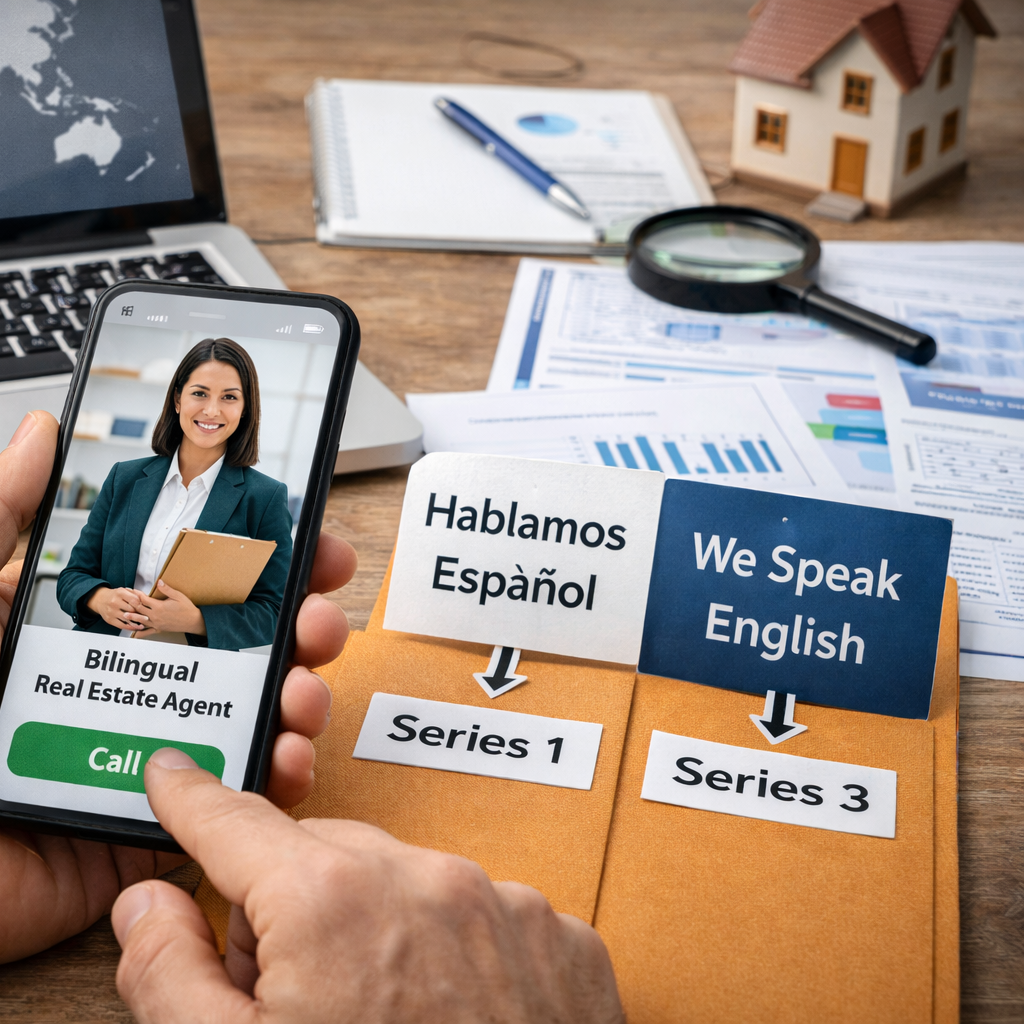
A bilingual real estate agent is fluent in two languages and can communicate comfortably in both. In today’s global market, language skills go beyond basic conversation. Proficiency includes the ability to explain complex real estate terms, negotiate deals, and interpret important documents—ensuring you don’t miss any critical details due to language gaps.
Roles in the home buying process
Your real estate agent acts as your guide and advocate. When they are bilingual, they can interact with both English-speaking and non-English-speaking parties involved—lenders, inspectors, sellers, or community groups. This skill helps ensure every conversation runs smoothly and inclusively from the home search through to closing day.
Why Choose a Bilingual Agent in 2026?
Better communication with all parties
With a bilingual agent, you enjoy clear communication throughout each step of the transaction. Whether you need help understanding disclosures, negotiating repairs, or simply asking questions, you’re less likely to face misunderstandings. Having an agent who shares the same language (or speaks the language of the seller or other professionals involved) helps everything proceed with less friction.
Navigating diverse housing markets
The 2026 housing market is distinctly multicultural. As cities and neighborhoods become more diverse, transactions often span multiple languages and cultural backgrounds. Bilingual agents can bridge gaps—not just linguistically, but also in understanding cultural expectations. This can be especially helpful in areas with a high number of international buyers or recent immigrants.
How Do Bilingual Agents Benefit Buyers?
Addressing cultural considerations
Beyond language, culture plays a major part in real estate transactions. A bilingual agent familiar with your culture may better understand your needs and preferences, making recommendations that align with your values. This cultural sensitivity can ease stress and help make your entire experience feel more comfortable and familiar.
Supporting first-time home buyers
For many first-time buyers, the process can be overwhelming—even more so if English is not your first language. A bilingual agent can offer step-by-step explanations and address concerns at every turn. They’ll make sure you understand each document and agreement, empowering you to make decisions confidently.
What Are the Key Trends in 2026?
Increased demand for multilingual agents
By 2026, more buyers and sellers expect to work with agents fluent in multiple languages. This trend is particularly noticeable in regions with larger immigrant populations. Real estate firms are actively recruiting and training bilingual professionals to meet this growing demand.
Technology’s role in agent selection
Technology is changing how you find a real estate agent. Online platforms now let you filter, sort, and read reviews based on language skills and cultural expertise. Some even offer AI-powered matchmaking to suggest agents who best fit your language and location preferences. Virtual meetings and document translation tools have also made these services more accessible no matter where you’re located.
How to Find a Bilingual Real Estate Agent?
Using online directories and platforms
Start by searching real estate platforms or directories designed for 2026, many of which list agents’ language skills as part of their profiles. Look for search filters that let you choose your preferred language. Review client feedback and agent bios to confirm their experience with bilingual transactions.
Asking community organizations
Community centers, cultural associations, and religious institutions are often aware of trusted bilingual agents in your area. Many organizations keep lists of recommended agents who speak your language and understand your community’s unique needs. This personal approach can be helpful if you want referrals with a strong local reputation.
What Questions Should You Ask Agents?
Verifying language proficiency
Don’t hesitate to ask specific questions about a potential agent’s language skills. You might request examples of past clients they’ve assisted in your preferred language or ask if they hold any language certifications. Some agents can provide written references or testimonials.
Understanding their experience with diverse buyers
Ask how the agent has supported buyers from different backgrounds. You can inquire about their approach to handling cross-cultural transactions or any recent experiences where language or cultural understanding made a difference. This helps you gauge whether their expertise aligns with your priorities.
Can Bilingual Agents Help With Paperwork?
Translating contracts and documents
A bilingual agent can help clarify major sections of contracts, disclosures, and other important paperwork. While formal legal translations might require a certified translator, your agent can walk you through each item in your own language, so you feel confident signing.
Explaining legal terms in your language
Real estate paperwork is full of terms that may not translate directly. A bilingual agent can help you understand details like contingencies and disclosures by putting them into plain, familiar language—reducing the risk of confusion or missed information.
What Else Makes a Good Agent?
Professional qualifications
In addition to language skills, look for standard professional qualifications. These include an active real estate license, ongoing education, and any industry-recognized certifications. An agent’s willingness to continue learning shows their commitment to serving evolving markets.
Local market knowledge
Strong agents know your target neighborhood inside and out. Local expertise means they can answer questions about property values, school districts, and market trends—helping you spot opportunities and avoid common pitfalls.
Are There Challenges With Bilingual Agents?
Potential communication barriers
Although bilingual agents bridge many gaps, differences in dialect or interpretation can sometimes lead to miscommunication. Be open with your agent about your expectations. If possible, have important information confirmed in writing for clarity.
Ensuring up-to-date certifications
Like all agents, bilingual professionals should maintain current credentials and licenses. Regular training ensures they stay informed on regulations, ethical standards, and industry developments. Don’t hesitate to ask about their ongoing professional development.
Is a Bilingual Agent Right for You?
Assessing your unique needs
Think about your household’s language needs, comfort level with English, and the diversity of people you’ll be interacting with during your transaction. If you anticipate needing support in your language, a bilingual agent could be especially valuable.
Tips for making the best choice
Compare several agents based on language skills, experience, reputation, and familiarity with your local market. Prepare a list of questions before meeting with any candidates. Take your time—choosing an agent is an important step toward a confident and successful home buying process.