

Key Takeaways
- Drone tours can improve your home search by offering immersive views and fostering transparency.
- Evaluate drone tours by asking the right questions and carefully assessing tour quality and privacy considerations.
Looking for a new home often starts with amazing visuals. As more real estate listings include drone tours, you may be wondering how this technology can help you navigate your buying journey. Here’s a comprehensive look at what drone tours mean for you and how to make the most of them.
What Are Realtor Drone Tours?
Definition and Overview
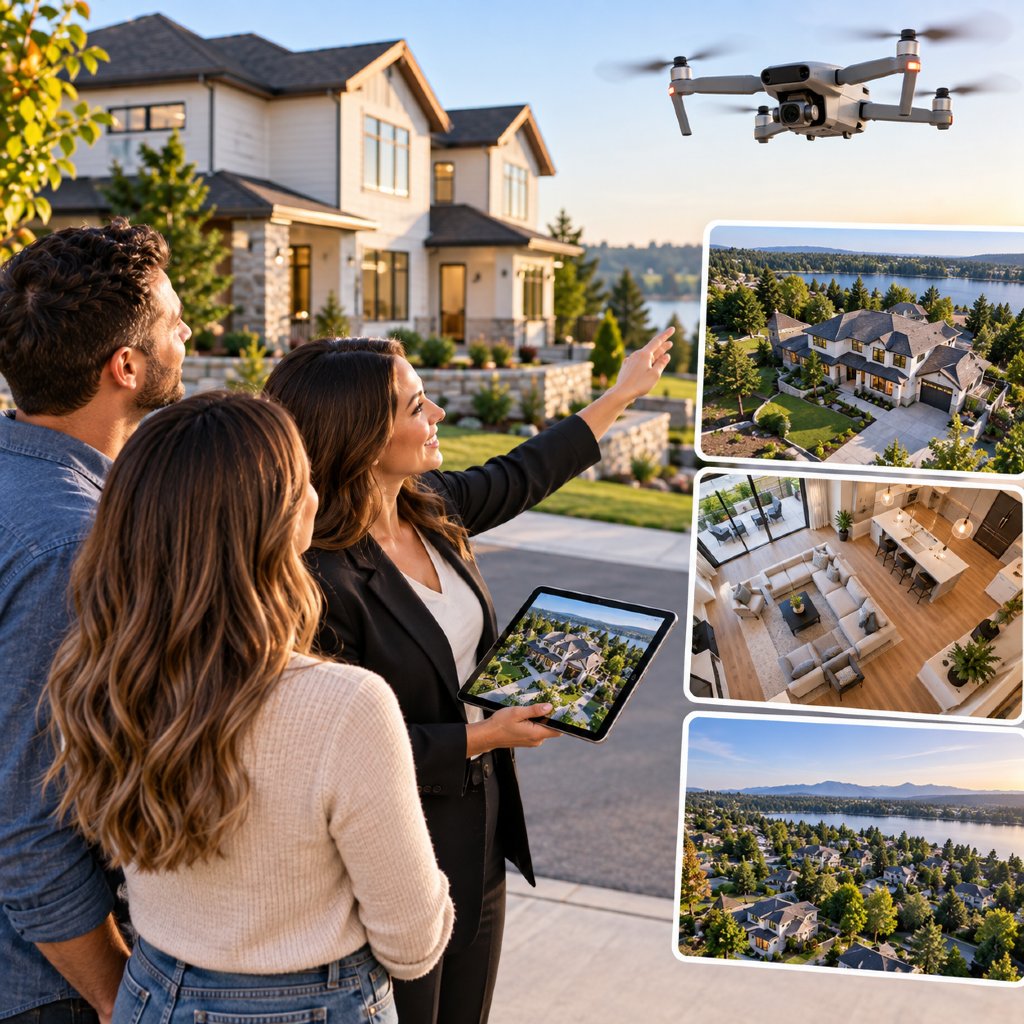
Realtor drone tours use small, unmanned aerial vehicles—commonly known as drones—to capture sweeping video footage of homes, lots, and neighborhoods. These tours typically combine exterior aerial shots with ground-level perspectives, producing a continuous video walkthrough that helps you see a property’s scale and context from unique angles. The footage may be pre-recorded and shared online or used live during virtual showings.
How Drone Tours Differ From Photos
Unlike traditional real estate photos, a drone tour offers dynamic movement and a broader context. Photos show specific angles inside or outside a property, while drone tours can help you visualize its layout, landscaping, and surroundings all in one view. You get a sense not just of the home’s rooms, but also how it sits on the lot, its proximity to neighboring features, and general curb appeal—all in a video format.
Why Are Drone Tours Gaining Popularity?
Trends in Real Estate Marketing
As of 2026, real estate marketing has fully embraced digital and immersive content. Drone tours are now common on property listings, reflecting an industry-wide trend toward greater visual storytelling. Virtual open houses, 3D floor plans, and interactive maps have grown popular, but drone tours stand out for their ability to present properties in a visually engaging way that photos or simple videos can’t match.
Buyer Expectations for Visual Tours
Today’s home buyers often expect to see more than just images—they want to explore properties as if they were there in person. Drone tours meet this demand, especially for buyers relocating from other areas or those with limited time for showings. Rich visual content has become part of a typical home search, helping you shortlist and compare homes more efficiently before arranging a private tour.
What Benefits Do Drone Tours Offer?
Enhanced Property Visualization
Drone tours provide a true sense of scale and spatial relationships. You can better grasp how large the yard is, how the driveway flows, or how the home is oriented on the land. For larger properties or those with standout outdoor features, this perspective can clarify what’s offered.
Highlighting Outdoor Features
If you value outdoor living—think patios, pools, gardens, or nearby parks—drone coverage can showcase these highlights beautifully. These tours illuminate landscaping, fencing, views, and even community amenities, giving you additional insight you may not capture from ground-level walkarounds or listing images.
Increasing Transparency for Buyers
Transparency is essential in the home buying process. By viewing drone footage, you see not just the home but also its surroundings and setting. This openness can help reduce surprises and support more informed decisions—especially important if you’re planning a move from out of town and want to understand a new neighborhood’s feel.
Are There Any Limitations of Drone Tours?
Privacy and Legal Considerations
While drone tours offer great visuals, they come with privacy and regulatory considerations. Operators must follow local laws on drone usage, including any restrictions related to altitude, airspace, or proximity to neighbors. Drones can also inadvertently capture images of surrounding homes, raising privacy concerns. As a buyer, be mindful that not all properties or areas allow drone flights—so some listings may not have these tours available.
Potential Technical Challenges
Weather can affect drone operations; poor conditions may limit when tours can be filmed or reduce image quality. Occasionally, technical glitches may result in shaky video, interruptions, or gaps in coverage. Additionally, older or less advanced drones may produce footage with lower resolution or less stability, impacting the overall value of the tour.
What Questions Should Buyers Ask?
Agent Experience with Drone Technology
Ask your agent or the listing agent about their experience with drone tours. Who operates the drone—do they use a licensed professional? Have they created tours for similar properties in your area? Understanding their background helps set your expectations for the quality and clarity of the footage.
Coverage and Areas Featured in Tours
Find out which areas the drone tour covers. Does the video show just the exterior or does it include interior transitions? Are important outdoor amenities, neighborhood features, or nearby points of interest highlighted? Knowing what’s included can help you compare listings effectively and focus on homes that align with your preferences.
Data Privacy and Usage Policies
It’s wise to ask how footage is managed and shared. Are images used only for marketing this property, or might they be stored for future promotions? If you purchase the home, how is the prior footage handled? Gaining clarity about privacy can help you feel secure throughout your search.
Tips for Evaluating Realtor Drone Tours
Assessing Tour Quality
Look for steady, high-resolution footage that’s free of abrupt movements or blurry transitions. A well-edited drone tour should be easy to follow, label key property features, and avoid excessive motion or distracting effects. Sound and narration are sometimes included but should always support rather than distract from the visuals.
Comparing Tour Features
If you’re evaluating multiple homes, compare how drone tours highlight differences. Does one emphasize landscape design while another focuses on the location’s proximity to schools or parks? Make note of which aspects matter most to you and see if the drone footage addresses them directly.
Red Flags to Watch For
Watch for incomplete tours, footage that skips key property zones, or videos that linger on areas unrelated to the property. Excessive use of editing tricks may mask limitations in the home’s appearance. If a listing’s drone tour leaves you with more questions than answers, request further details before moving forward.