

Key Takeaways
- Realtors with historic home expertise understand architectural styles, preservation rules, and specialized marketing.
- Asking the right questions helps you verify a realtor’s qualifications and ensure a successful historic home transaction.
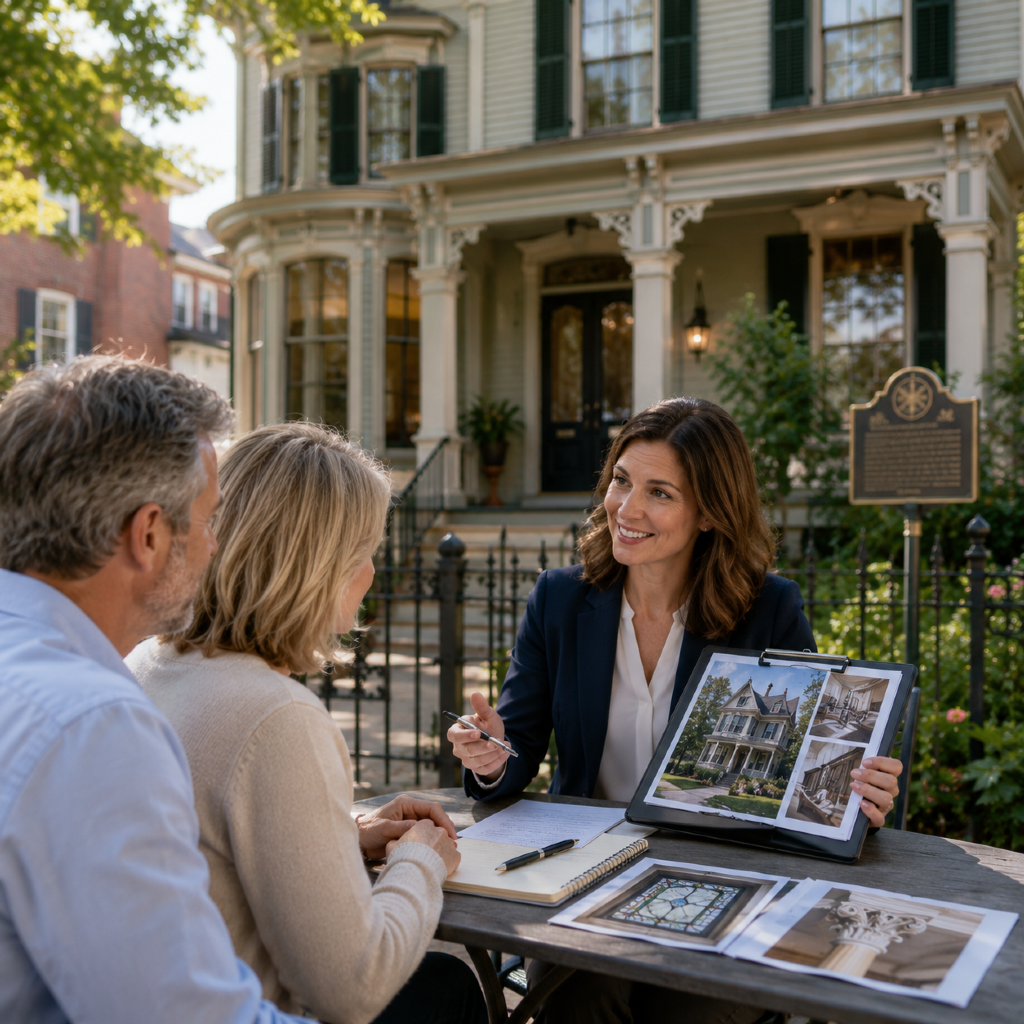
Choosing the right realtor for a historic home purchase or sale is a unique process. Historic homes are a distinct segment of the real estate market, requiring agents to have specialized skills and knowledge. Here’s how you can identify and work with a realtor who truly understands the intricacies of historic properties.
What Makes a Realtor Historic-Home Savvy?
Understanding architectural eras
A historic-home-savvy realtor will be familiar with the various architectural periods, such as Victorian, Colonial, Craftsman, or Mid-century Modern. This knowledge isn’t just for aesthetics—it helps your agent accurately describe the property’s significance, appeal to the right buyers, and spot features worth preserving. When interviewing agents, look for someone who can easily discuss different architectural details and historical contexts relevant to your home or area.
Experience with older property sales
Experience matters. Ask potential agents how many older or historic homes they’ve helped buy or sell. Agents with real, hands-on transactions can anticipate issues like vintage wiring, antiquated plumbing, or outdated foundations. This experience equips them to identify potential red flags early on, guide you through specialized inspections, and set realistic expectations for your transaction.
Knowledge of local preservation rules
Preservation ordinances and local historic districts have guidelines that may affect repairs, renovations, or even paint color choices. A realtor specializing in historic homes should understand your area’s regulations and be able to explain which changes require approval. This awareness helps you avoid costly missteps and ensures any advice provided keeps you in compliance with local guidelines.
Why Does Specialized Experience Matter?
Unique challenges of historic properties
Historic homes come with distinct challenges, such as aged infrastructure, historical documentation, or the need to match original materials during updates. An expert realtor knows how to proactively address these issues, minimizing surprises during inspections and negotiations.
Navigating renovation restrictions
Many historic properties are subject to restrictions on what can and can’t be changed. A knowledgeable agent will guide you on permissible updates and renovations, helping you make informed decisions without endangering the property’s historic status. If a change requires approval from a historic commission, your agent should already understand the application process and potential timelines.
Handling historical documentation
Transactions involving historic homes often require additional documentation, such as previous renovation records or filings with preservation authorities. The right realtor will know how to acquire, interpret, and present these documents, ensuring they support your purchase or sale effectively.
What Key Questions Should You Ask?
Assessing local historic home experience
Ask specifically about your potential agent’s experience with the local historic market. Questions might include:
- “How many historic homes have you bought or sold in this area?”
- “Can you provide examples of recent transactions involving homes similar to mine?”
This gives you a sense of their familiarity with neighborhood trends, pricing, and buyer expectations.
Evaluating knowledge of preservation guidelines
Preservation rules vary by region, so ask questions like:
- “What are the key restrictions affecting historic homes here?”
- “Have you worked with local historic district commissions or similar organizations?”
Their answers should demonstrate an ability to identify and navigate specific rules relevant to your area.
Understanding marketing approach for unique homes
Marketing a historic home requires more than basic property listings. Ask your agent:
- “How do you highlight historic features or provenance in your marketing?”
- “Do you use specialized photography, staging, or targeted networks?”
The right realtor will have a tailored strategy for reaching buyers interested in vintage properties.
How to Verify a Realtor’s Expertise?
Checking past sales of historic homes
Reviewing an agent’s transaction history helps you gauge experience. Request a list of historic homes they’ve represented and compare them to your property’s characteristics. Look for patterns that show significant involvement with historic real estate, such as consistent sales in older neighborhoods or properties recognized by local preservation groups.
Requesting client references
A reputable agent should be able to provide references from clients who bought or sold historic homes. Speaking directly with past clients offers valuable insights into the agent’s communication style, problem-solving skills, and ability to handle the specific demands of historic real estate deals.
Confirming relevant certifications
While not mandatory, some realtors pursue additional certifications related to historic or luxury properties. Ask about any professional credentials that demonstrate ongoing education or specialized training. Memberships in organizations related to historic preservation can also signal a strong commitment to this niche.
Signs a Realtor Is a Good Fit
Strong communication skills
Historic home deals often involve many stakeholders, including inspectors, preservation staff, and specialty contractors. Your realtor should communicate clearly and promptly, keeping you informed throughout the process and ensuring no details are missed.
Respect for preservation values
Look for an agent who appreciates the importance of maintaining a property’s character. They should be able to advise you on how to balance modern updates with original features and connect you with resources to support preservation efforts when needed.
Adaptability to your needs
Each historic property and client is unique. A good fit is someone who listens to your priorities—whether you’re focused on preservation, modernization, or investment—and tailors their approach accordingly.
Can Any Agent Sell a Historic Home?
Generalist versus specialist agents
While any licensed agent can technically represent a historic home, a generalist may lack the depth of knowledge necessary for these specialized transactions. Specialist agents bring a deeper understanding of the historic property landscape, preservation laws, and marketing strategies needed for success.
Potential risks of choosing an inexperienced agent
An agent unfamiliar with issues common to historic homes might overlook essential inspections or fail to recognize value in original architectural details. This lack of awareness could lead to mispricing, delayed transactions, or even compliance concerns with local regulations.
Additional Considerations Before Deciding
Assessing agent compatibility
Trust and communication style are major factors. Meet with several candidates to gauge who listens, answers questions thoughtfully, and understands your goals. A strong agent-client relationship will help the process go more smoothly.
Reviewing local market reputation
Research online reviews, industry awards, or testimonials specific to your neighborhood’s historic market. Agents respected in this space often have positive feedback from clients with similar priorities.
Understanding commission structures
Discuss commission structures upfront. While structures are often consistent, understanding how compensation works—especially if specialized marketing is involved—helps prevent misunderstandings later in the process.