

Key Takeaways
- Understanding evolving realtor roles and digital tools helps first-time home buyers make informed choices in 2026.
- Evaluating agent credentials, communication, and experience is essential for a supportive, effective partnership.
For first-time home buyers, finding the right Realtor can feel overwhelming—especially with fast-changing trends and technology in 2026. Knowing what defines a buyer’s Realtor, understanding industry shifts, and learning how to assess agents will give you control and confidence throughout your home buying journey.
What Is a Buyer’s Realtor in 2026?
Definition of a buyer’s Realtor
A buyer’s Realtor is a licensed real estate professional who exclusively represents the interests of home buyers during a property transaction. Unlike listing agents, who work for sellers, a buyer’s Realtor advocates for you as you search, negotiate, and close on a home. In 2026, these professionals must meet updated licensing standards and continue to follow transparent practices and consumer protection guidelines.
Typical responsibilities for home buyers
Buyer’s Realtors help you by narrowing down property searches, arranging showings, providing market insights, drafting offers, and guiding negotiations. They ensure you understand contract terms and keep the process compliant with regulations. In 2026, buyer’s Realtors are also expected to be familiar with the latest market data tools and digital resources to serve tech-savvy clients.
Why Is Choosing a Realtor Important?
Impact on first-time home buying
Your agent often shapes your entire home buying experience, especially if this is your first purchase. Since the process involves many steps—searching, financing, offers, inspections—choosing a knowledgeable buyer’s Realtor ensures you receive accurate information and crucial guidance at every stage.
How the right agent can provide guidance
A supportive and skilled agent acts as an educator and navigator. They help clarify market conditions, explain paperwork, and answer your questions clearly. This steady guidance reduces uncertainty, leaves you better informed, and minimizes the risk of costly mistakes during the transaction.
Trends Shaping Buyer’s Realtor Services
Technology and digital tools in 2026
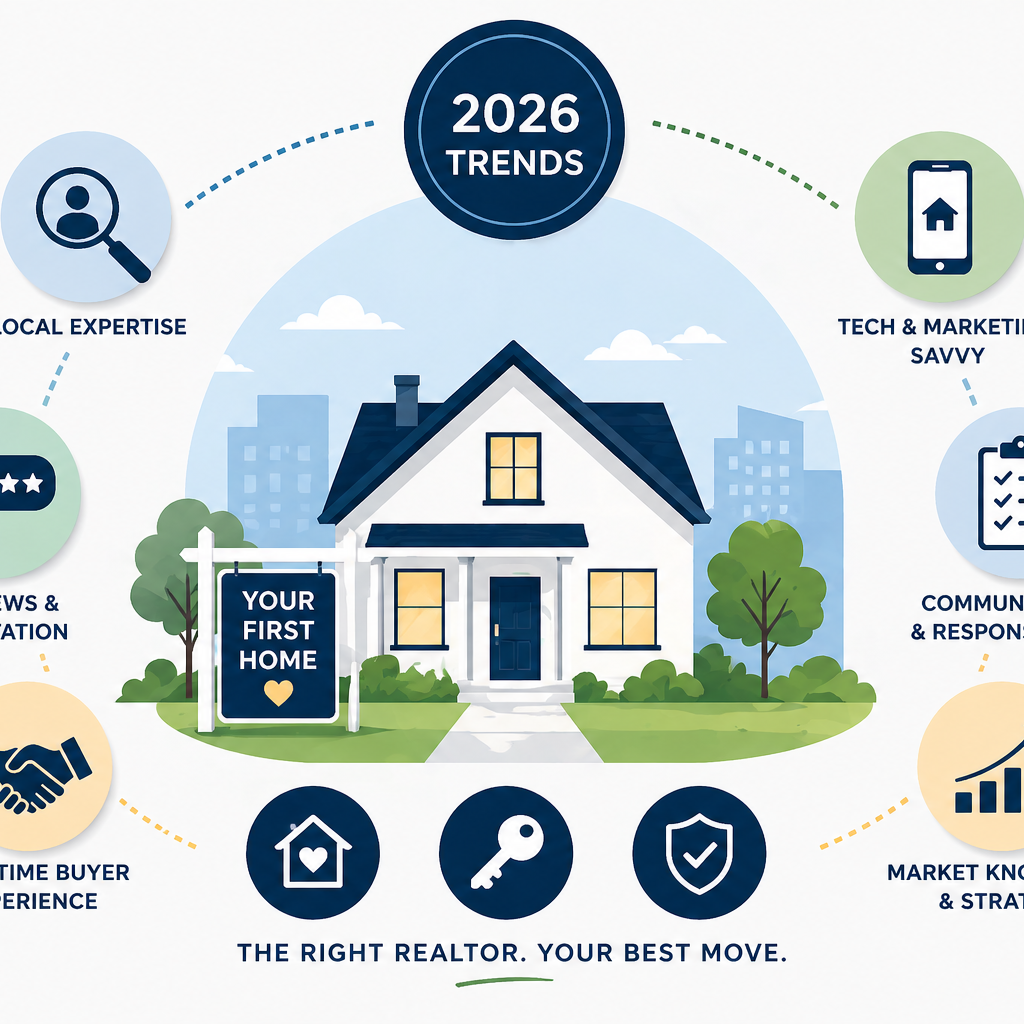
Digital solutions are now central in real estate. Realtors frequently use AI-driven property search portals, virtual home tours, secure document signing, and robust communication apps. Advanced analytics tools help agents present real-time market insights and property comparisons, making the process faster and more transparent for buyers.
Consumer expectations of agent expertise
With widespread access to online information, buyers expect more from their agents in 2026. You may look for Realtors fluent in local market dynamics, emerging regulations, and cutting-edge digital tools. Agents are increasingly expected to provide tailored advice, anticipate questions, and help interpret online listings with accuracy rather than simply sharing information.
How to Evaluate Realtors for First-Time Buyers
Questions to ask during interviews
Interviewing multiple agents helps you compare strengths and compatibility. Consider asking:
- How many first-time buyers have you worked with recently?
- What technology do you use to assist buyers?
- How do you communicate updates and address client questions?
- Can you describe your process from house hunting to closing?
These questions measure experience, use of modern tools, and ability to meet your specific needs.
Understanding credentials and experience
Check each agent’s history with first-time home buyers and their understanding of current market conditions. Common credentials include state licensing, membership in professional associations, and ongoing education in real estate best practices. Look for a clear record of ethical service and positive client feedback.
Checking for licensing and compliance
All Realtors must hold active state licenses. Ask for license numbers and verify them on your state’s regulatory website. This confirms the agent is in good standing, adheres to professional rules, and maintains up-to-date knowledge—a crucial protection for first-time buyers.
What Should You Look For in an Agent?
Key qualities in a supportive agent
A helpful buyer’s Realtor demonstrates patience, integrity, thoroughness, and respect for your preferences. You want someone who listens carefully, explains technicalities in plain language, and allows you to make decisions at your own pace. Effective agents empower you, rather than pressuring you, through each step.
Communication and availability factors
Open, timely communication is essential during a real estate transaction. Consider an agent’s response times, willingness to answer questions, and comfort using your preferred communication channels—whether it’s messaging apps, calls, or email. Reliable availability means your agent can quickly address concerns or respond to new listings as opportunities arise.
Common Myths About Buyer’s Agents
Misconceptions about agent roles
Some buyers believe an agent can only show properties or that they represent both parties equally. In fact, a buyer’s agent is legally and ethically committed to advancing your interests alone. Their role extends well beyond property tours to include market research, negotiation support, and transaction oversight.
Clarifying compensation and obligations
It’s often misunderstood that working with a buyer’s Realtor involves hidden fees or long-term obligations. In many cases, agent compensation comes from the home sale proceeds rather than out-of-pocket costs for buyers, though practices can vary. The relationship should always be outlined transparently, and you’re encouraged to ask for detailed explanations to avoid surprises.
How to Decide Which Realtor Fits Your Needs
Comparing agents side by side
Make a side-by-side comparison table or list for each interviewed Realtor. Include factors such as experience with first-time buyers, use of technology, responsiveness, and client reviews. Reviewing this information together with your concerns and goals can clarify who aligns best with your expectations.
Aligning agent strengths with your goals
Think about your unique preferences: Do you value in-depth guidance, flexible scheduling, or advanced tech tools? Choose an agent whose skills, demeanor, and approach match your priorities. The right partnership feels transparent, comfortable, and mutually respectful.