

Key Takeaways
- Careful research, interviews, and reference checks are crucial for finding the right townhome realtor in your area.
- Evaluating communication style, experience, and compatibility helps ensure a smoother transaction and greater confidence in your choice.
Choosing the right townhome realtor can make a significant difference in your buying or selling experience. By following a structured approach and asking the right questions, you can reduce risks and feel confident as you move through your real estate journey.
What Is a Townhome Realtor?
Definition and typical responsibilities
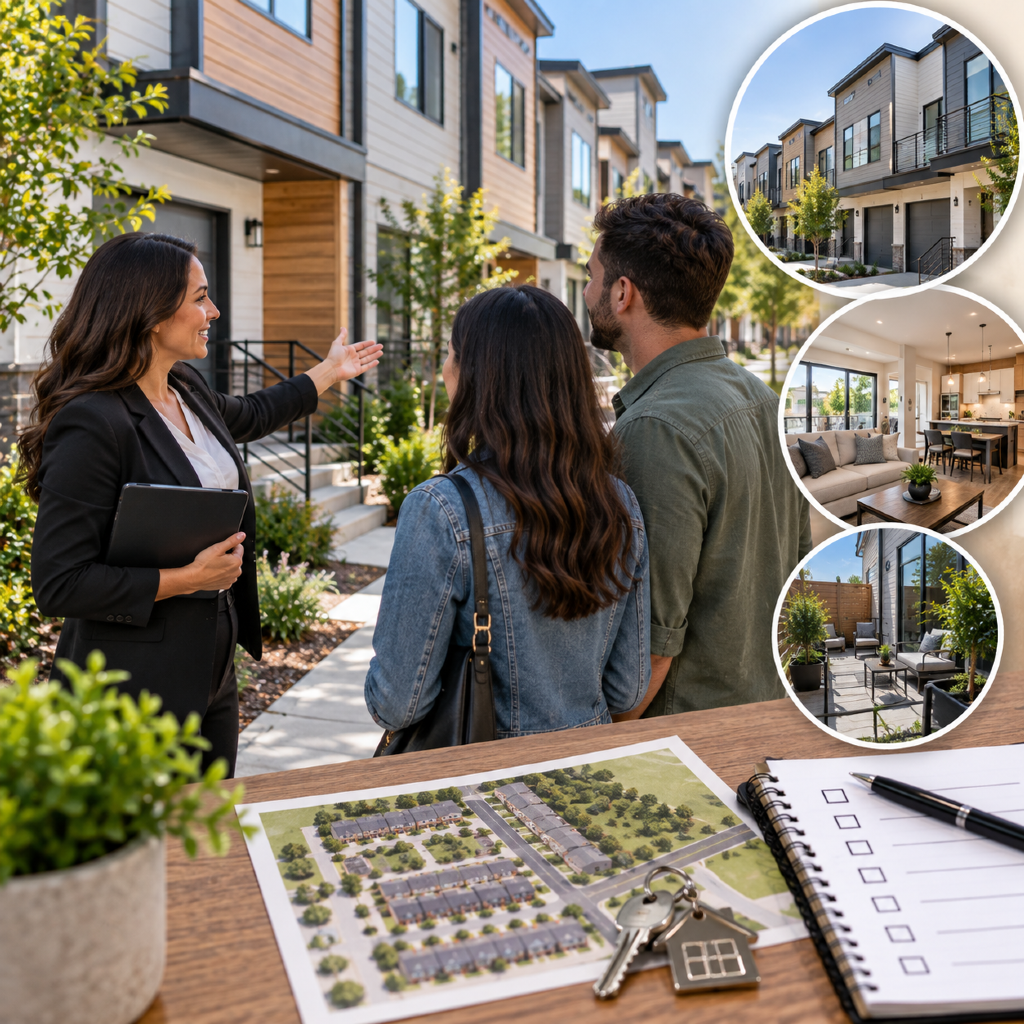
A townhome realtor is a licensed real estate professional who specializes in assisting clients with the purchase, sale, or lease of townhomes. These agents handle tasks such as preparing property listings, organizing showings, guiding clients through offers and negotiations, and managing the necessary paperwork. They act as your advocate, helping you understand the market and make informed decisions specific to townhome transactions.
How a townhome agent differs from others
Townhome agents often have a deeper understanding of shared community living, association rules, and unique features that set townhomes apart from detached homes or condos. This specialization allows them to advise you on issues like HOA regulations, shared maintenance, or common area amenities that affect townhome ownership.
Why Does Choosing the Right Agent Matter?
Impact on the transaction process
Selecting the right agent directly impacts your transaction’s efficiency and outcome. A knowledgeable local realtor can offer market-specific insights, streamline communication with all parties, and help anticipate and solve common townhome concerns. Their guidance supports you as you navigate negotiations and decisions, minimizing stress and confusion.
Common risks of a poor agent match
Working with an agent lacking townhome experience or strong communication skills can lead to misunderstandings, overlooked details, and missed opportunities. You might face issues with listing accuracy, contract errors, or mismanagement of key deadlines, all of which could hinder your goals. That’s why thoughtful agent selection is essential.
Step 1: Identify Local Realtors
Searching online listings and reviews
Begin by exploring reputable real estate platforms and local association directories to compile a list of nearby townhome realtors. Look for agents with recent listings or reviews describing successful townhome transactions. Online reviews offer insights into previous clients’ experiences with responsiveness, professionalism, and subject matter knowledge.
Asking neighbors and local contacts
Personal referrals can be valuable. Speak with neighbors, colleagues, or friends who have recently bought or sold townhomes in your area. Their first-hand recommendations may reveal local agents with proven expertise, while also highlighting what to expect from the agent-client relationship during a townhome transaction.
Step 2: Evaluate Agent Experience
Years in the industry
Experience is a strong indicator of an agent’s ability to navigate the complexities unique to townhome sales. Ask potential agents how long they have been licensed and practicing in your area. While years of experience don’t guarantee success, they often suggest a solid understanding of local market cycles and townhome-specific trends.
Recent townhome sales nearby
Look for realtors with a proven track record of closing townhome deals in your neighborhood. Ask for examples or references from the last 12–18 months. This ensures your agent is active in your market segment and familiar with the distinct aspects of local townhome communities.
What Questions Should You Ask?
Interview topics for first meetings
Prepare a list of questions before meeting potential realtors. Useful topics include their approach to pricing, familiarity with nearby townhome developments, and experience navigating HOA requirements. You should also ask about their recent client successes and challenges, helping you gauge their expertise and communication style.
Discussing marketing strategies
Discuss how your property will be marketed if you’re selling, or how new listings are identified if you’re buying. Inquire about staging, professional photography, open houses, and use of digital platforms. A clear marketing plan, tailored to townhome buyers or sellers, demonstrates an agent’s readiness to support your goals.
Step 3: Compare Agent Communication Styles
Ease of contact and response time
Good communication is fundamental. Pay attention to how promptly each agent responds to your inquiries and whether they use your preferred communication channels (such as email, text, or phone calls). Quick and easy contact is especially important in fast-moving real estate markets where timing matters.
Clarity in explaining next steps
A reliable agent should explain the process in understandable terms, outlining every stage and what you should expect next. Notice whether they break down complex concepts and provide written summaries of meetings or action points, promoting transparency and trust throughout your partnership.
How Do You Check References?
Who to contact for feedback
Request contact information for past clients—ideally those who also bought or sold townhomes. Speaking directly with these references can give you insight into the agent’s professionalism, responsiveness, and problem-solving abilities during actual transactions.
What to look for in past client reviews
When reviewing references or reading online reviews, focus on specific details. Look for comments highlighting an agent’s attention to detail, communication style, trustworthiness, and negotiation skills. Trends in feedback can either reinforce your decision or prompt further questions.
Most Overlooked Factors When Choosing?
Understanding agent boundaries and agreements
It’s important to understand what your agent can and cannot do. Review all representation agreements carefully. Learn about their obligations, exclusivity clauses, commission structures, and how they handle dual agency situations. This helps prevent misunderstandings during the process.
Considering compatibility and trust
Compatibility is a significant, yet often overlooked, factor. You should feel comfortable discussing your needs and concerns, knowing that your agent listens and advocates for your interests. A trustworthy partnership leads to better communication and a more personalized experience.