

Key Takeaways
- Local market knowledge is critical when choosing a Realtor to buy or sell your home.
- Comparing an agent’s experience, credentials, and communication helps you feel confident in your choice.
Choosing the right Realtor for your zip code can feel overwhelming, especially with so many options. By understanding a Realtor’s responsibilities and learning how to evaluate local expertise, you can make a more informed, confident decision tailored to your needs.
What Does a Realtor Do?
Overview of Realtor responsibilities
A Realtor is a licensed real estate professional who assists buyers and sellers with property transactions. Their responsibilities extend beyond simply listing homes or showing properties. They provide market analysis, coordinate showings, negotiate offers, guide clients through paperwork, and ensure all legal requirements are met during a transaction. Realtors also serve as ethical advocates and adhere to a code of conduct set by relevant real estate associations.
How Realtors assist buyers and sellers
For buyers, Realtors help identify suitable properties, schedule home tours, and advise on making competitive offers. They help coordinate inspections and appraisals and address potential hurdles that may arise during the home-buying process. For sellers, Realtors provide pricing strategies grounded in recent market activity, oversee the home’s listing and marketing, and negotiate offers with buyers on their client’s behalf. Their support can simplify what might otherwise be a complex process for both parties involved.
Licensing and qualifications explained
All Realtors must be licensed by the state, confirming they have completed mandatory education and passed exams. Membership in professional associations, such as the National Association of Realtors (NAR), requires adherence to a strict code of ethics. Many Realtors also pursue additional training and certifications that demonstrate specialized knowledge, such as pricing strategy or negotiating skills. When evaluating local agents, check for active licensing and relevant credentials as a baseline.
Why Is Local Expertise Important?
Neighborhood knowledge factors
Local agents offer insights beyond a property’s basics. They understand what makes each neighborhood unique, including school ratings, nearby amenities, zoning regulations, and potential for future development. This neighborhood knowledge supports accurate home pricing and a tailored approach to buying or selling.
Understanding market trends by zip code
Home values, demand, and inventory often vary significantly from one zip code to another. Experienced local Realtors monitor these trends and have the data to advise you on timing, competitive pricing, and negotiation strategies. By leveraging this localized insight, you can make more strategic decisions based on the realities of your area’s housing market.
Importance of community connections
A Realtor’s community network can be highly beneficial. Established relationships with other agents, lenders, inspectors, and contractors can help facilitate smoother transactions. Community connections also mean your agent may have early or exclusive knowledge about upcoming listings, open houses, or neighborhood changes that could impact your buying or selling decisions.
How to Identify Top Local Agents
Researching agent experience
Evaluating an agent’s experience starts with reviewing their transaction history, years active in your zip code, and areas of specialization. Many local Realtor boards or state licensing agencies provide public records of closed deals, disciplinary actions, and licensure duration. Top agents often have consistent transaction volume and strong client relationships, but always assess their experience in the context of your specific goals.
Checking licenses and credentials
Verifying an agent’s license status ensures you’re working with a professional who meets industry standards. You can check licenses through your state’s real estate commission website. Beyond the basic license, look for credentials such as Certified Residential Specialist (CRS) or Accredited Buyer’s Representative (ABR), which reflect additional training and higher standards of practice.
Reading reviews and testimonials
Online reviews and client testimonials offer real-world perspectives on how an agent works. Review platforms, local forums, and social media can show client satisfaction, response times, and communication style. Look for consistent feedback themes and patterns rather than relying on a single glowing or negative review. This can help you understand what to expect from the agent-client relationship.
What Questions Should You Ask Realtors?
Key questions for the interview process
Interviewing prospective Realtors helps you assess whether they’re the right fit. Consider questions like:
- How many transactions have you completed in my zip code in the last year?
- What is your approach to helping buyers or sellers in today’s market?
- Can you share references from recent clients?
Understanding commission and service structure
Clarify how commissions are structured, what services are included, and any additional fees upfront. Ask about the standard commission rate in your area, which services are included in the listing agreement, and how marketing costs are handled. Understanding this structure allows you to budget accurately and set expectations for service delivery.
Evaluating communication and availability
Timely, open communication is crucial when buying or selling a home. Ask each Realtor how they keep clients informed, their preferred methods of communication (phone, email, text), and how often they provide updates. Also, ask how available they are in the evenings or on weekends and how they manage multiple clients.
Comparing Realtors in Your Zip Code
Methods for evaluating multiple agents
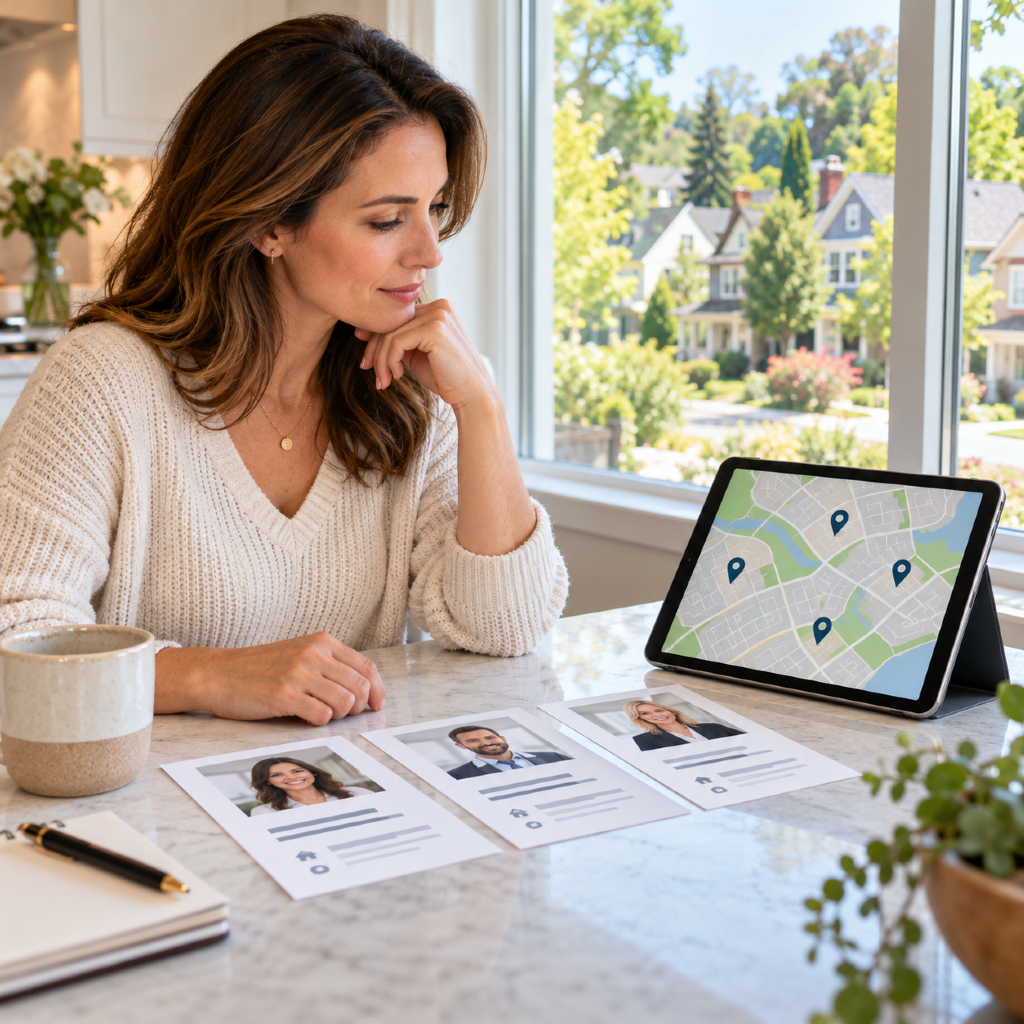
To compare agents objectively, create a consistent set of criteria: experience, local knowledge, responsiveness, client reviews, and credentials. Meeting with at least two or three agents gives you a broader perspective and helps you compare them directly on these criteria.
Comparing marketing strategies
For sellers, a Realtor’s marketing plan is key to attracting buyers. Ask about their online and offline marketing methods, use of professional photography, virtual tours, and social media presence. Compare how thoroughly each agent exposes your listing to prospective buyers within and beyond your zip code.
Reviewing recent sales and case studies
Analyze the agents’ recent transactions in your area. Look at properties similar to yours in price and type. Case studies and recent sales can offer insight into pricing accuracy, average days on market, and negotiation skills. This data-driven approach supports a well-informed selection.
Red Flags When Choosing an Agent
Warning signs to watch for
Watch for agents who pressure you into quick decisions, avoid answering questions directly, or lack transparency about their experience. Limited local knowledge, infrequent communication, or reluctance to provide references are also warning signs.
How to avoid common mistakes
Give yourself ample time to research and interview multiple agents. Don’t choose based solely on personal referrals or flashy marketing. Focus on proven experience and a communication style that matches your needs, and never sign agreements you haven’t read and understood.
Understanding your rights as a client
As a client, you have the right to clear information about representation, written agreements outlining services and costs, and the ability to terminate the relationship under certain conditions. Review your state’s agency disclosure forms and ask your agent to walk you through your rights and obligations to avoid misunderstandings.
How Can You Start Your Search?
Online resources for buyers and sellers
Begin with reputable real estate websites that list licensed professionals in your area. State real estate commission sites, local association directories, and widely used platforms offer tools to filter agents by zip code, specialty, and client reviews.
Community recommendations
Friends, family, neighbors, and colleagues can be helpful sources for recommendations. However, balance these referrals with your own independent research to ensure the agent is a good match for your situation.
Next steps for contacting agents
Once you’ve identified promising candidates, reach out to schedule conversations or interviews. Prepare your questions in advance, take notes during discussions, and compare responses before committing. Having a clear process helps you choose an agent who matches your criteria and earns your trust.