

Key Takeaways
- Carefully evaluating an agent’s experience and understanding of first responders’ needs can lead to greater confidence throughout the real estate process.
- Asking the right questions and considering program eligibility helps ensure you connect with an agent who supports both your schedule and goals.
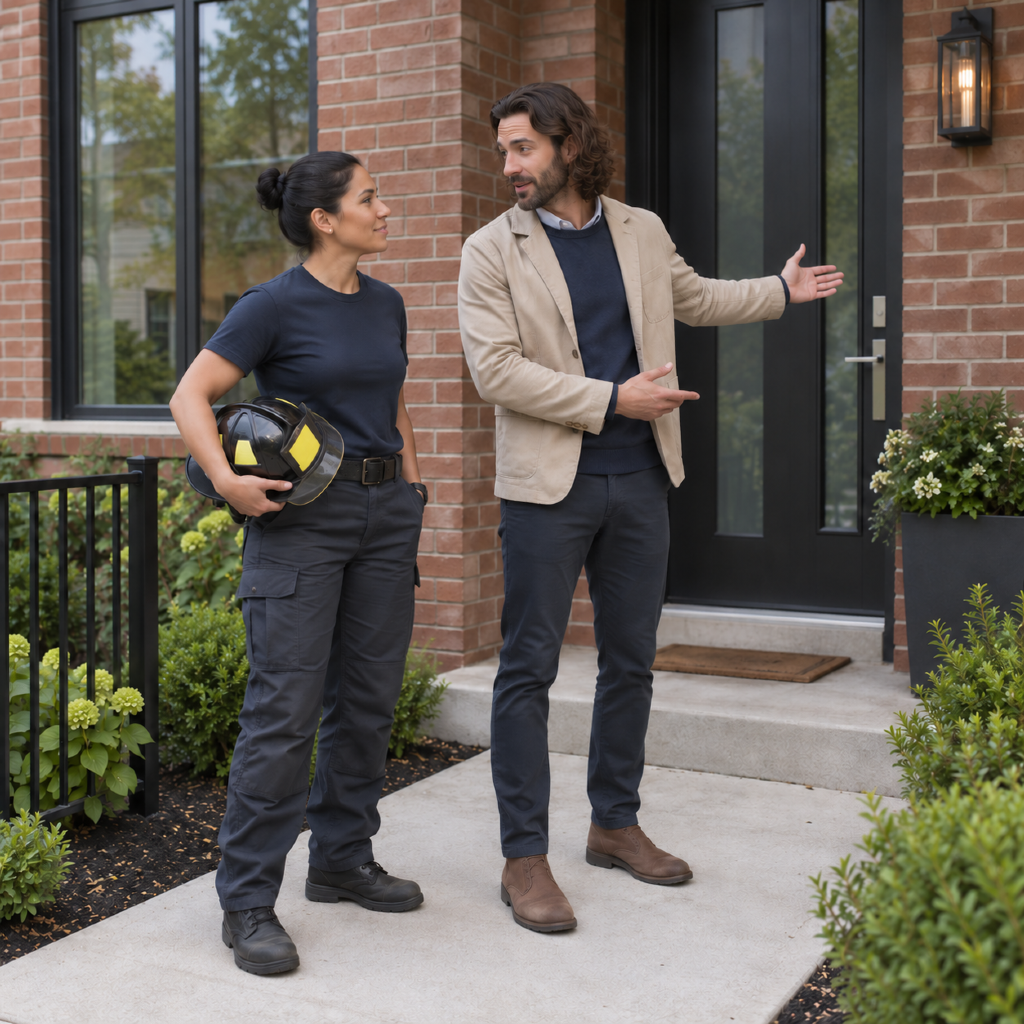
Finding the right real estate agent is especially important for first responders, whose unique schedules and circumstances can impact the home buying or selling experience. Understanding agent services, asking strategic questions, and comparing your options all play a crucial part in a successful partnership.
What Does a Realtor Do for First Responders?
Understanding an agent’s core responsibilities
A real estate agent guides buyers and sellers through each phase of a property transaction. As a first responder, you can expect your agent to help identify suitable properties, arrange home tours, present offers, and facilitate communication between all parties involved. Agents also provide advice on local regulations and market trends, acting as your main point of contact through complex steps.
Types of support for buyers and sellers
Buyers benefit from an agent’s ability to find listings that meet their qualifications, prepare competitive offers, and negotiate with sellers. Sellers receive advice on pricing, staging, and marketing strategies tailored to the local market. In both cases, agents act as informed advisors, helping you navigate challenges particular to first responders, such as quick response times or changing schedules.
Assistance with paperwork and timelines
Real estate transactions involve substantial paperwork, from contracts to disclosures. Your agent ensures that documents are completed accurately and on schedule, reducing errors and delays. They keep track of critical deadlines—such as inspection periods or financing contingencies—so nothing gets overlooked during your transaction.
Why Should First Responders Work With a Realtor?
Explain unique needs of first responders
As a first responder, your hours can be unpredictable, and time off may be limited. A realtor familiar with your profession understands the need for flexibility, responsiveness, and communication outside of regular business hours. These professionals often have strategies to accommodate your schedule, making the process more accessible.
Benefits of expert guidance in transactions
Real estate transactions are complex, and unfamiliar processes can become stressful if unexpected challenges arise. Agents provide clarity, help interpret contracts, and offer guidance through tricky negotiations. Their expertise can add value, especially if you’re new to buying or selling, or if you need local insights on property values and neighborhood trends.
How agents support scheduling challenges
Many first responders need meetings and showings outside of traditional 9-to-5 hours. Experienced agents can adapt their approach to fit shift schedules, whether that means conducting virtual tours, handling paperwork electronically, or arranging in-person meetings at unconventional times. Their flexibility ensures that you won’t miss important opportunities because of your work demands.
Key Services Offered by Agents
Home search and listing support
Agents tailor the home search experience to your needs, filtering properties that meet your requirements and arranging showings based on your availability. For sellers, they develop marketing strategies—from online listings to open houses—to attract buyers and maximize visibility.
Negotiation and contract assistance
A key benefit of working with an agent is their negotiation skills. Whether you’re submitting an offer, countering, or working through contingencies, agents advocate for your interests. They help structure contracts to protect your priorities while keeping you informed at each stage.
Connection to local resources
Agents often maintain a network of local professionals, such as inspectors, lenders, contractors, and appraisers. As a client, you can tap into these resources for housing-related services, ensuring a smoother experience throughout the transaction.
What Questions Should You Ask Your Agent?
Experience with first responder clients
When meeting with potential agents, ask if they’ve assisted other first responders. Do they understand the unique needs and scheduling challenges associated with your profession? Requesting specific examples can help you gauge their familiarity.
Communication style and availability
Clarify how the agent prefers to communicate—by phone, email, text, or app. Find out how quickly you can expect responses and whether they can accommodate after-hours conversations or short-notice requests. This transparency builds trust from the start.
Understanding local market conditions
Ask about the agent’s knowledge of neighborhood trends, price ranges, and recent comparable sales. Assessing their expertise in your target area helps ensure they can provide relevant, up-to-date information.
How Do You Compare Realtor Options?
Research agent background and credentials
Start by checking agent licensure, years of experience, and involvement in local real estate associations. Some professionals pursue additional training in relocation or working with public service professionals, demonstrating their commitment to supporting clients like you.
Evaluate service offerings
Review what each agent provides—from initial consultations and marketing plans to post-sale support. Identify which services align with your primary needs, such as flexible scheduling, virtual tours, or guidance with paperwork.
Ask for references and reviews
Client testimonials and references offer valuable insight into an agent’s communication style, reliability, and ability to address challenges for first responders. Reading online reviews or speaking directly to former clients helps you make a well-informed choice.
Are There Homebuying Programs for First Responders?
Overview of available assistance
Some areas offer homebuying programs for first responders, which might include down payment assistance, grants, or discounts on closing costs. Availability varies, so take time to review local government and nonprofit resources for potential benefits.
Common eligibility requirements
Eligibility typically depends on employment status, minimum years of service, or participation in specific professions (such as law enforcement, firefighting, EMS, or dispatch). Most programs require documentation of employment and may have income or property purchase limits.
Limitations and important considerations
While these programs can make homeownership more accessible, be mindful of requirements, application timelines, and any associated restrictions (such as resale conditions). Reviewing all terms with a real estate or financial professional helps avoid surprises down the line.