


Key Takeaways
- Evaluate agents by their experience, tools, and reviews specific to virtual showings.
- Prioritize clear communication and security when navigating virtual or hybrid home tours.
Virtual home showings have transformed the way you search for and buy property in 2026. Selecting a real estate agent with expertise in these technologies ensures a more efficient and satisfying experience, whether you’re a buyer, seller, or simply exploring your options.
What Are Virtual Home Showings?
Defining Virtual Home Showings
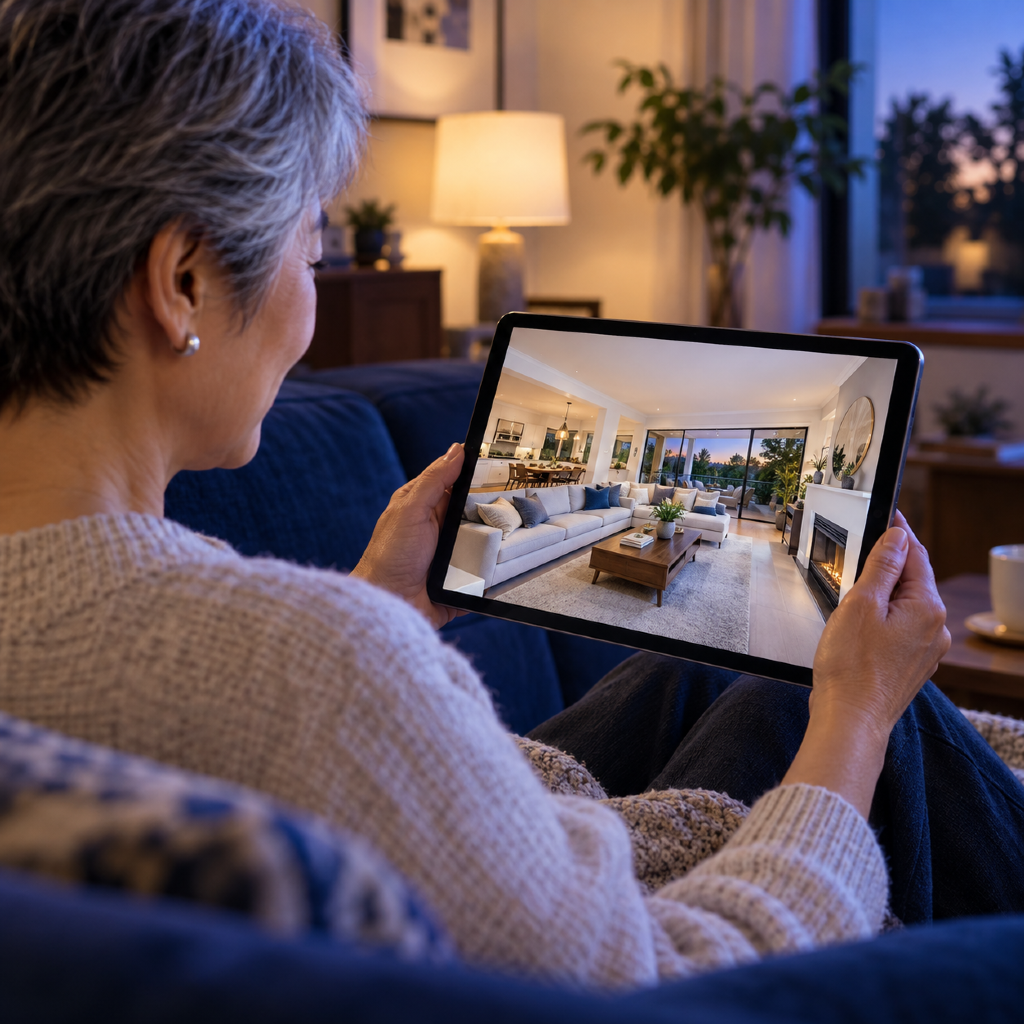
Virtual home showings use digital tools to present properties online rather than requiring in-person visits. Through live video tours, pre-recorded walkthroughs, 3D imaging, or virtual reality (VR) experiences, you can explore homes from wherever you are. Virtual showings are conducted by real estate agents who guide you through homes remotely, answer questions in real time, and highlight features relevant to your needs.
How Virtual Showings Work in 2026
By 2026, virtual showings often combine several technologies: high-res 360° video, interactive floor plans, VR headsets, and instant messaging with agents. These platforms allow you to “walk” through properties, zoom in on details, and sometimes even customize finishes or furnishings digitally. Scheduling is flexible—viewings can be live with an agent or on demand to fit your timeline.
Why Use Virtual Tours for Home Shopping?
Convenience and Flexibility
Virtual tours save you time by letting you view multiple homes without travel. If you’re relocating or have a busy schedule, these showings fit seamlessly into your life. You can revisit saved tours at your convenience and review specific details with your agent in follow-up sessions.
Broader Access to Listings
With virtual home showings, your search isn’t limited by geography. You can explore properties in different cities or neighborhoods more efficiently, even before deciding which homes to visit in person. This broader access often shortens the time it takes to create your shortlist.
What to Look for in an Agent?
Experience With Virtual Showings
Look for a real estate agent with a proven track record in conducting virtual home showings. Ask about their experience with specific tools, how they handle remote tours, and if they’ve adapted to new technologies common in 2026. Agents who are well-versed in these practices can guide you smoothly, anticipate questions, and provide comprehensive virtual experiences.
Communication and Availability
Effective virtual showings depend on clear, prompt communication. Choose an agent who is responsive through multiple channels—email, messaging apps, video calls—and who’s available to answer questions when you need support. Agents should also proactively share updates or new listings that meet your criteria.
Comparing Agent Virtual Showing Tools
Types of Virtual Showing Platforms
Agents may use a variety of platforms in 2026, such as immersive 3D environments, VR-compatible tours, or secure live-streaming services. Some offer features like interactive measurement tools, digital staging, or instant Q&A. When comparing agents, ask which platforms they use, and request a sample or demo tour to evaluate the quality and user-friendliness.
Security and Privacy Considerations
Since virtual tours often show every detail of a home, security is important. Inquire about how agents protect sellers’ privacy and your viewing data. Reputable agents will use secure platforms, require authentication for access, and avoid sharing sensitive details publicly. Always confirm what personal information, if any, is collected and how it’s protected.
How Do You Interview Potential Agents?
Key Questions to Ask
Prepare a list of questions tailored to your virtual showing needs, such as:
- What virtual showing technologies do you use?
- Can you provide examples of properties presented virtually?
- How do you handle questions or concerns during a remote showing?
- What steps do you take to protect privacy and ensure security?
Assessing Technology Comfort
It’s important to choose an agent who’s comfortable with technology. Pay attention to how confidently they use virtual tools during your initial interactions and if they demonstrate patience in explaining processes. An agent’s technical skills directly impact how seamless your virtual showing experience will be.
Evaluating Agent Reviews and References
Reading Online Reviews Effectively
Online reviews can reveal how agents perform with virtual showings. Focus on detailed experiences rather than general ratings. Look for feedback about an agent’s clarity, responsiveness, and ability to resolve issues remotely.
Requesting Client References
Request references from recent clients who’ve used virtual showings. Ask past clients about their experiences: Was the technology effective? Did the agent make the process easy to follow? Did communication remain strong throughout the experience?
Red Flags When Choosing an Agent
Lack of Virtual Tour Experience
Be cautious if an agent lacks documented experience or confidence with virtual showing technologies. In 2026, comfort with these tools is expected, and agents should be upfront about their digital expertise.
Limited Communication or Transparency
If an agent is slow to respond or vague about their virtual showing process, this can lead to confusion or missed opportunities. Prioritize agents who are clear, transparent, and proactive in their communications.
What If You Need In-Person Showings?
Hybrid Showing Options
Many agents now offer hybrid approaches—blending virtual and in-person showings. If you’re interested in both, make sure your agent can coordinate these seamlessly. Hybrid options are helpful for conducting an initial search virtually, then touring your top picks in person.
Safety and Accessibility Tips
If you transition from virtual to in-person, discuss safety protocols and accessibility requirements up front. Agents in 2026 should be aware of the latest local guidelines to ensure showings remain safe and comfortable for everyone.