


Key Takeaways
-
Selling a house is a step-by-step process that moves from preparing and listing your property to reviewing offers, completing buyer checks, and transferring ownership at closing.
-
Understanding the home selling process before you list can help you make clearer decisions, prepare for buyer requests, and avoid preventable problems as the transaction moves forward.
Understanding What Happens When You Sell A House
Selling a house involves more than listing it and waiting for a buyer. You need to prepare the property, decide how to price it, market it, evaluate offers, meet transaction requirements, and finalize the transfer of ownership.
The exact home selling process can vary based on your property, location, buyer, and sale agreement. However, most traditional sales follow the same broad stages.
Knowing these stages gives you a clearer view of what happens after you decide to sell your home. It also helps you understand which decisions require your attention and where professional guidance may be useful.
1. Preparing Your House For Sale
What Should You Do Before Listing Your Home?
Your first stage is preparing the property for the market. The goal is to present your home clearly and make it easier for prospective buyers to understand its condition, features, and potential.
Preparation may involve cleaning, decluttering, organizing rooms, addressing visible maintenance issues, and improving the overall presentation. You should also consider which belongings will stay with you and which items, if any, you could include in the sale.
Common preparation tasks include:
-
Removing unnecessary clutter
-
Cleaning visible areas carefully
-
Addressing minor maintenance concerns
-
Organizing storage spaces
-
Improving exterior presentation
-
Gathering important property documents
You do not necessarily need to make major changes. Focus on creating a clean, well-maintained property that buyers can evaluate easily.
2. Choosing Your Selling Strategy
Will You Work With A Real Estate Agent?
Before listing, decide how you will manage the sale. Many sellers choose a real estate agent to guide them through the home-selling process.
An agent may help you assess the market, prepare the listing, communicate with buyers, coordinate showings, review offers, and manage transaction details.
When selecting professional help, look beyond basic promises. Consider communication, local knowledge, marketing strategy, and the person’s ability to explain each stage clearly.
The right support can be especially useful when negotiations or transaction questions arise.
3. Setting The Listing Price
How Do You Decide What Your House Is Worth?
Pricing your home is one of the most important parts of selling. Your listing price helps shape buyer expectations and affects how your property competes with other homes for sale.
A pricing strategy may consider your property’s condition, location, features, market activity, and comparable properties.
Avoid choosing a price based only on personal attachment or what you hope to receive. Buyers generally compare your property with other available options.
Your goal is to choose a listing price that reflects the property and your selling strategy while remaining appropriate for current market conditions.
4. Creating And Launching Your Real Estate Listing
What Happens When Your House Goes On The Market?
Once your home is ready and your pricing strategy is set, you can list the property for sale.
A strong real estate listing should present the home accurately. It usually includes photographs, property details, descriptions, and the information buyers need to decide whether to explore the property further.
Marketing may also include online property listings, professional networks, signs, open houses, or other promotional methods.
Accuracy matters. Avoid overstating features or hiding information you should disclose. Clear information can help attract buyers whose expectations match the property.
5. Managing Showings And Buyer Interest
What Should You Expect When Buyers Visit?
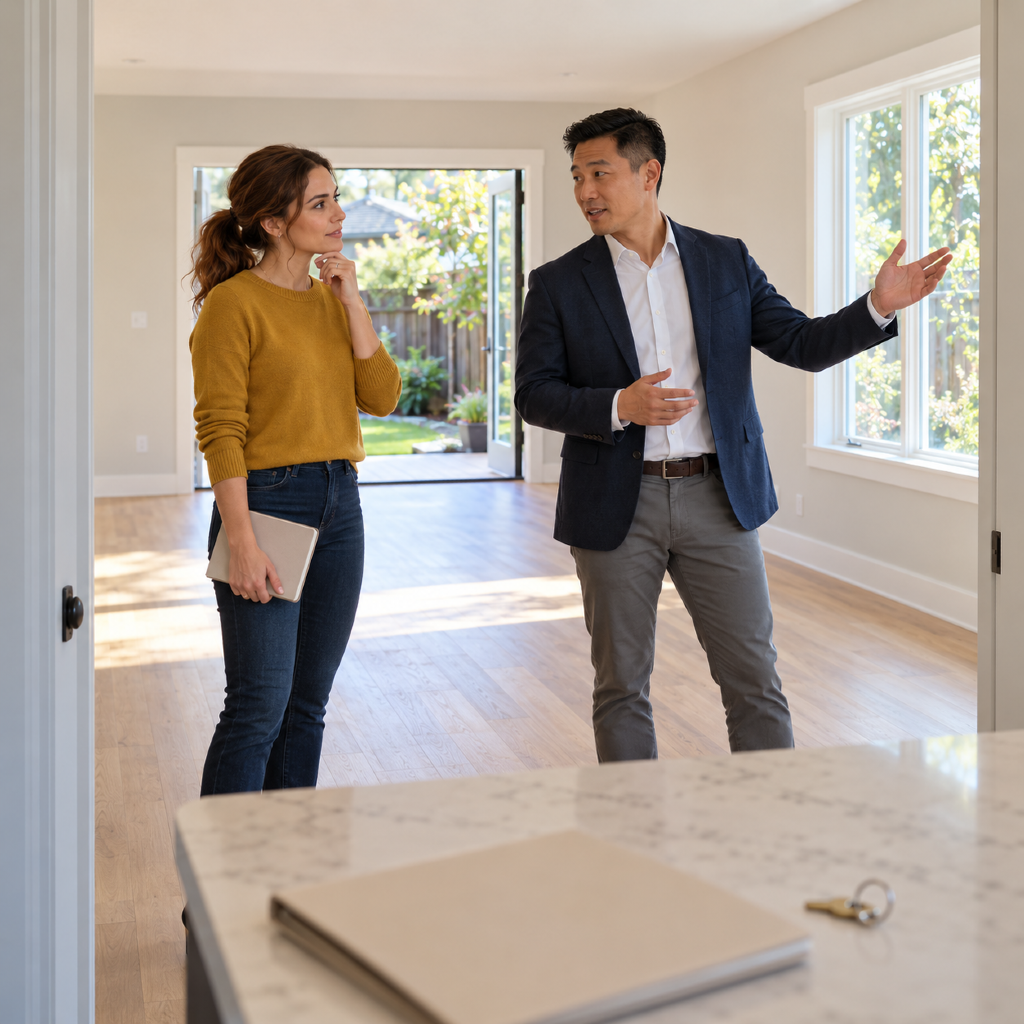
After listing, prospective buyers may request showings of your home. This is when preparation matters most.
Keep the property reasonably clean and organized while it remains available for showings. Buyers need enough space to examine rooms, layouts, storage, and other features.
You may also receive feedback about the property. Not every comment requires action. However, repeated concerns may help you identify issues with presentation, condition, or positioning.
Your real estate agent can help you interpret buyer interest without reacting too quickly to individual opinions.
6. Receiving And Comparing Purchase Offers
How Should You Review An Offer On Your House?
When a buyer wants to purchase your property, you may receive a written offer containing proposed terms.
Do not focus only on the offered purchase price. A home purchase offer can contain several conditions that affect the strength and practicality of the proposed transaction.
You may need to review:
-
Proposed purchase price
-
Financing terms
-
Buyer contingencies
-
Requested property inclusions
-
Inspection conditions
-
Closing arrangements
-
Other negotiated responsibilities
Depending on the offer, you may accept it, reject it, or make a counteroffer.
Read every important term carefully before agreeing.
7. Negotiating And Entering A Purchase Agreement
What Happens After You Accept An Offer?
Once you and the buyer agree on the main terms, the transaction moves into the contract stage.
The purchase agreement sets out both parties’ responsibilities. It may address the purchase price, contingencies, included property, disclosures, closing requirements, and other conditions.
This is an important transition in the home selling process. Your property may still need to pass through several buyer and transaction requirements before the sale becomes final.
Keep records organized and respond carefully to requests. If you do not understand a contractual obligation, seek qualified guidance rather than making assumptions.
8. Handling The Home Inspection And Buyer Requests
What Happens During A Home Inspection?
A buyer may arrange a home inspection if the purchase agreement allows it. The inspection gives the buyer more information about the property’s visible condition and major systems.
An inspection does not automatically mean that you must correct every issue identified. What happens next depends on the contract and any negotiations between you and the buyer.
The buyer may request repairs, seek changes to the agreement, accept the property as agreed, or exercise applicable contractual rights.
Review requests based on the agreement, not emotion. Your agent or another qualified professional can help you understand your options.
9. Completing Appraisal, Title, And Closing Requirements
What Needs To Happen Before The House Can Close?
Several administrative and financial steps may occur before ownership can transfer.
If the buyer is using financing, the property may need an appraisal. Title-related work may also be completed to confirm ownership and identify issues that must be addressed before transfer.
You may be asked to provide documents, answer questions, complete disclosures, or resolve outstanding property-related issues.
During this stage, communication is important. Respond to legitimate requests and keep copies of important documents.
You should also review closing documents carefully so you understand the final terms and your responsibilities.
10. Closing The Home Sale And Transferring Ownership
What Happens When You Finally Sell Your House?
Closing is the stage where the transaction is finalized according to the agreed terms and applicable requirements.
You may need to sign documents connected with the transfer of ownership and complete any remaining seller obligations. The transaction professionals involved in the sale coordinate the required documents, funds, and ownership records.
You should also follow the agreement concerning keys, access devices, included property, and possession.
After the transaction is properly completed, ownership transfers to the buyer. At that point, your home selling process is complete.
Moving From Listing To Closing With Confidence
Selling your house can seem complicated when you view the transaction as one large event. It becomes easier to understand when you separate it into individual stages.
You prepare your home, choose a selling strategy, establish a listing price, market the property, review offers, negotiate terms, complete transaction requirements, and finalize the sale. Each stage builds on the previous one.
Stay organized and read important documents before signing them. Ask questions when something is unclear. Most importantly, work with qualified professionals for advice on contracts, disclosures, negotiations, title matters, or other parts of the transaction.
If you are preparing to sell and want help finding professional real estate support, sign up on Best Real Estate Agent Near Me to begin your search for an agent who can guide you through the home selling process.