

Key Takeaways
- 3D tours enhance property visibility and convenience for both buyers and sellers.
- Comparing realtors’ 3D tour capabilities can inform your agent selection and real estate outcome.
In today’s real estate market, technology is transforming how you view and showcase properties. 3D tours are emerging as a game changer for home buyers and sellers, enabling you to explore homes virtually and market listings more effectively. Understanding the value of 3D tours and how to compare realtors who offer them can help you make more informed decisions.
What Are 3D Real Estate Tours?
How 3D Tours Work
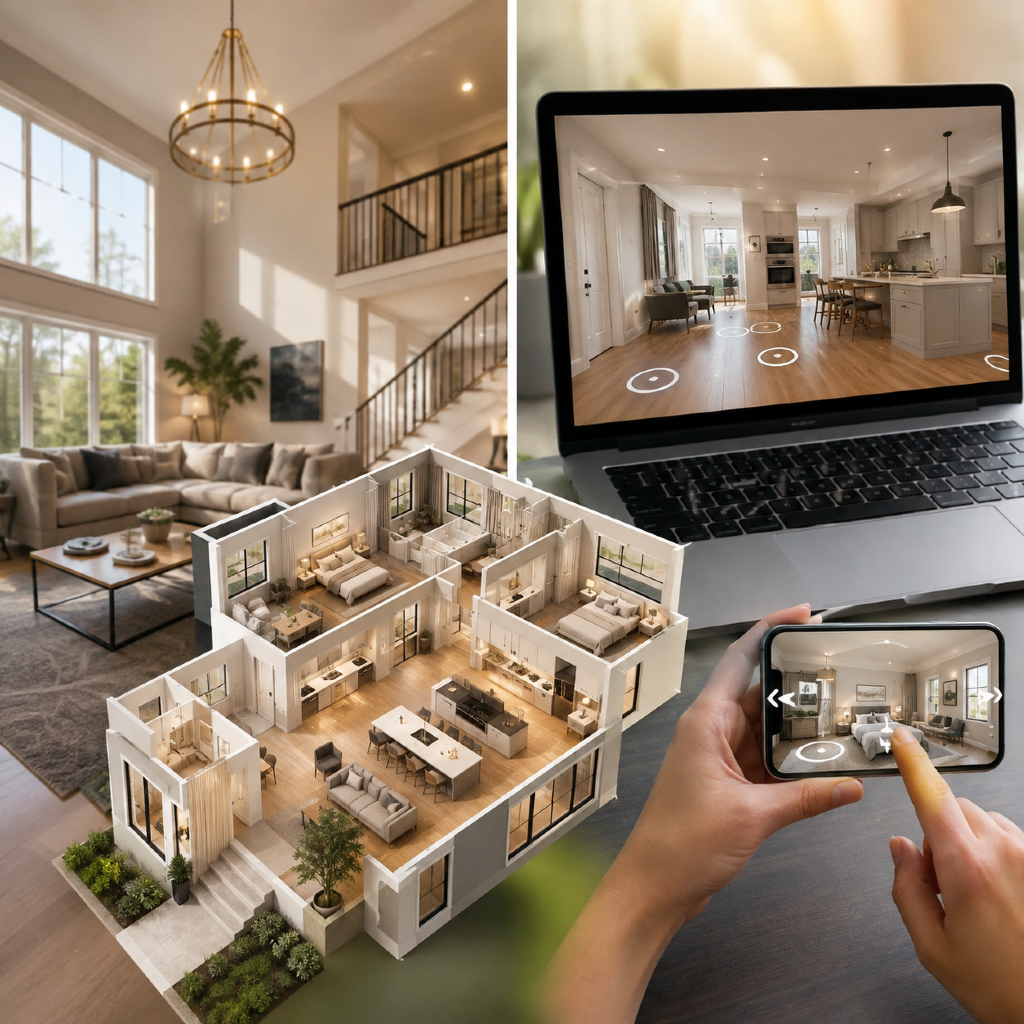
3D real estate tours are interactive online experiences that let you “walk through” a property remotely. By moving from room to room and viewing spaces from different angles, you can gain a sense of scale, layout, and flow—often before scheduling an in-person visit. These tours are created using specialized cameras and software that capture 360-degree imagery. The images are then stitched together, allowing seamless virtual navigation on computers or mobile devices.
Most Common 3D Tour Technologies
Among the most used technologies are Matterport and Ricoh Theta, which provide high-resolution, immersive views of properties. Some 3D touring platforms offer additional features like floor plans, measuring tools, or even integration with virtual reality headsets. Many listing sites and real estate portals now support 3D tours, making them accessible to buyers and sellers during their search process.
Why Compare Realtors Offering 3D Tours?
Buyer and Seller Needs
As a buyer, you may want to preview properties from anywhere, saving valuable time and narrowing down your options efficiently. As a seller, providing a 3D tour can increase listing visibility and attract more engaged prospects. Not every real estate agent offers the same quality or type of 3D tour services, so comparing their approaches helps ensure your specific needs are addressed.
Impact on Marketing Strategies
3D tours are increasingly part of modern marketing strategies for selling homes. A realtor who integrates 3D tours may be able to highlight your property to a broader or more remote pool of buyers. This option can be especially useful for relocations, out-of-town buyers, or busy local clients. Comparing agents helps you determine whose digital marketing tools—and level of experience—align with your priorities.
What Should Buyers Consider?
Viewing Homes Remotely
With 3D tours, you can virtually explore homes anytime and from anywhere. This flexibility allows you to narrow down your search before traveling or committing to a private showing. Look for realtors who offer high-quality 3D tours and provide helpful navigation tools. It’s also wise to check that these tours display clear imagery and accurately represent the space, so you get a reliable sense of each property before visiting in person.
Questions to Ask Realtors
To make the most of 3D tours as a buyer, consider asking potential agents:
- How many of their current listings include 3D tours?
- Who produces the tours—the agent, their brokerage, or a third-party professional?
- Can you access 3D tours easily on your preferred device?
- Are there extra costs or steps involved for buyers using these tools?
These questions help you assess a realtor’s technical capabilities and commitment to providing a transparent buying experience.
What Should Sellers Know?
Enhancing Property Listings
For sellers, a 3D tour can make your home stand out online and generate stronger first impressions. Homes with interactive tours often receive more clicks and longer viewing times, which may translate to more showings. Look for agents who understand how to feature 3D tours prominently in their marketing materials and on major listing platforms for maximum exposure.
Preparing for a 3D Tour
Preparing your property for a 3D tour requires careful staging and tidying. Since the tour will capture every angle, you should minimize clutter and highlight each room’s features. Some realtors offer guidelines or professional services to help prepare your home. You should ask your agent how they plan to showcase the space, and whether they provide support with staging or post-tour edits.
Potential Limitations of 3D Tours?
Privacy and Security Concerns
A 3D tour can reveal a lot about your home, including personal belongings and layout. You should discuss privacy measures with your realtor, such as removing identifying items and ensuring sensitive areas are not included in the tour. Professional agents will prioritize your privacy and can blur or avoid certain rooms when needed.
Technical Barriers for Some Buyers
While most buyers find 3D tours convenient, not everyone has access to the necessary technology or internet speeds. Some users may find navigation tools confusing. It’s helpful to ensure your tour works on common devices, and to ask your agent about accessible options for all buyers interested in your property.
How Do Realtors Integrate 3D Tours?
Typical Agent Process
The process often begins with the agent or a professional photographer capturing high-quality images of your home. From there, specialized software generates a virtual model of your property, which is integrated into your listing. Agents may also include links to these tours in targeted marketing emails, social media, or online advertising to increase reach.
Collaboration with Sellers
A successful 3D tour is the result of teamwork between you and your real estate agent. You’ll need to schedule the shoot and work together on staging. Agents should communicate expectations upfront, help troubleshoot technical questions, and adjust the tour as needed based on your feedback.
Are 3D Tours Changing Real Estate?
Shifts in Buyer-Seller Interactions
3D tours are changing how buyers and sellers interact. Buyers increasingly expect to preview homes online before visiting, while sellers benefit from more qualified inquiries. This trend supports more efficient transactions and can minimize the time a property spends on the market.
Future Outlook for Virtual Tours
The use of 3D tours in real estate is expected to grow. Improved hardware and software will likely make the technology even more accessible and detailed. As these tools become standard, buyers and sellers who embrace them—together with informed, tech-savvy agents—may gain an edge in an evolving marketplace.
How to Compare and Choose Realtors?
Evaluation Criteria
When comparing realtors, assess their experience with 3D tours, the quality of their previous listings, and their overall marketing expertise. It’s important to review sample tours, ask about success stories, and understand what support they offer throughout the process.
Questions for Realtor Interviews
Ask potential agents:
- What role do 3D tours play in your marketing plan?
- How do you measure engagement from virtual tours?
- Can you share examples of successful listings with 3D tours?
- What is your approach to ensuring privacy and accuracy?
Their answers can help you make a confident, well-informed choice for your next real estate move.