

Key Takeaways
- Evaluating real estate agents near college campuses requires focus on local market expertise and transparent communication.
- Comparing agents through interviews, references, and understanding your own needs leads to more confident decisions.
Searching for a home or investment property near a college campus often brings unique questions and challenges. Whether you’re a student, parent, or investor, working with the right real estate agent is key to a smooth experience. This guide helps you understand the roles agents play, why local knowledge matters, and exactly how to evaluate and compare agents before making any commitments.
What Is a Real Estate Agent?
Agent roles and responsibilities
A real estate agent acts as your guide throughout property transactions. You might rely on an agent for tasks like locating properties, setting up showings, and negotiating contracts. Agents provide insight into local market trends, support you during inspections, and help handle the paperwork involved with buying, selling, or renting.
There are typically two primary types of agents. Buyer’s agents represent the interests of those looking to purchase or rent a property, while seller’s agents (sometimes called listing agents) work with those listing a property. Some agents may serve both roles, but their core responsibility always lies in promoting their client’s interests with honesty and professionalism.
Agent qualifications and licensing
Every real estate agent must be licensed by the state in which they operate. This process usually involves education, passing an exam, and continuing coursework to stay current with laws and ethics. Meeting these requirements ensures agents stay informed about relevant regulations and can uphold high professional standards. Before selecting an agent, you can verify their license status through your state’s real estate regulatory board for peace of mind.
Why Work With Agents Near Campuses?
Understanding college-area real estate markets
Real estate markets surrounding college campuses are often more dynamic than those in other neighborhoods. Factors like student population changes, academic calendars, and local zoning rules can all impact the supply and demand for housing. Agents who regularly work near campuses often have deep insights into common property types—such as student apartments, rental homes, and investment condos—plus knowledge of seasonal price fluctuations that can affect timing.
Benefits for students, parents, and investors
When you hire an agent with college-area expertise, you’re tapping into valuable experience. Students and parents may need help navigating lease terms, roommate arrangements, or finding housing that fits specific academic schedules. Investors often look for agents who understand rental yields, vacancy patterns, and regulations unique to university zones. Local agents can provide guidance that aligns with these goals and help identify properties with long-term value potential.
How Do You Find Local Agents?
Online search tips and directories
The internet is a powerful starting point for locating agents near college campuses. Major real estate websites and agent directories offer filters by area, transaction type, and specialties—such as student housing or investment properties. Checking agent profiles, recent sales, and client reviews can provide early impressions of their qualifications and local involvement.
To refine your search, use keywords like “real estate agent near [campus name]” or “student housing specialist.” Be cautious with reviews: look for consistent patterns and remain aware that some feedback may not be genuine or balanced.
Community and campus resources
Local resources such as university housing offices, alumni networks, or student organizations may offer lists of agents familiar with campus-area transactions. Attending community open houses and local real estate events can also provide opportunities to meet agents face-to-face and assess their knowledge of the neighborhoods you’re targeting.
What Criteria Should You Evaluate?
Experience in college-area transactions
An agent’s track record in college-adjacent neighborhoods speaks volumes. Ask how many transactions they’ve handled in those areas, what types of clients they often serve, and which challenges they help solve. Experienced agents can often anticipate issues unique to campus markets and have established contacts for inspections, repairs, or property management.
Communication and availability
Prompt and clear communication is key, especially with tight academic or leasing timelines. Discuss expectations around response times and preferred methods of contact. You want an agent who communicates clearly, provides updates, and is accessible when you have questions or urgent needs.
Knowledge of rental and purchase options
College towns may offer a blend of rental and purchase opportunities. Your agent should explain the pros and cons of each, outline upfront and recurring costs, and help you evaluate what’s most suitable for your situation. For example, renting may offer flexibility for students, while purchasing could benefit investors or families seeking longer-term stability near campus.
How Do You Compare Multiple Agents?
Interviewing potential agents
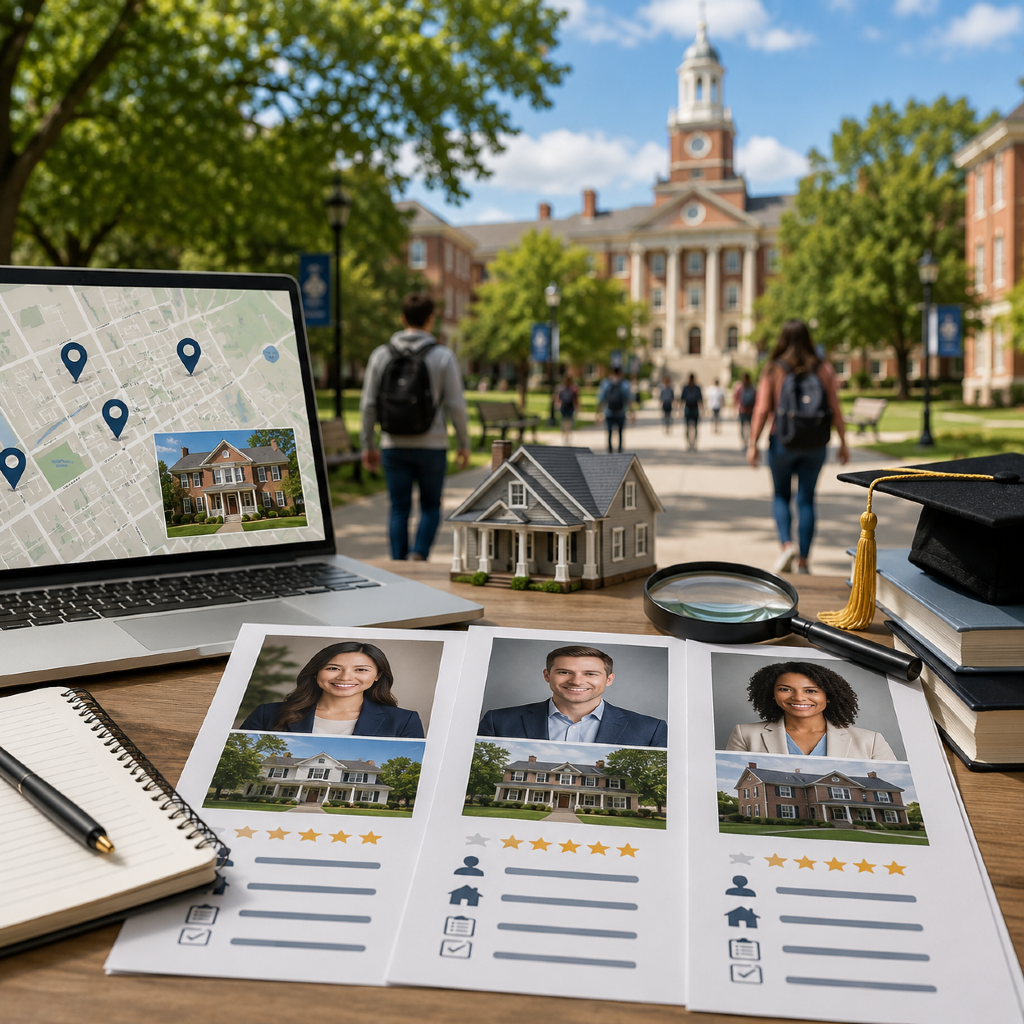
Set up brief meetings with a few agents to discuss your needs. Prepare questions about their experience in college-area markets, their knowledge of rental and purchase options, and how they’ve assisted others in similar situations. Ask for examples of recent transactions to get a clearer understanding of their approach.
Reviewing references and track records
Ask for references from recent clients—ideally those with experiences similar to your own. Following up with these references helps you gauge an agent’s reliability, professionalism, and ability to navigate college-area challenges. Many agents also maintain records of past transactions that can illustrate their expertise in local markets.
Assessing compatibility and trust
Beyond skill, you should feel comfortable with your agent’s communication style and approach. Do they listen carefully, explain things clearly, and answer your questions directly? Trust and rapport are essential, given the number of decisions and details involved in college-area real estate.
What Questions Should You Ask Agents?
Understanding their approach to college-area clients
It’s important to ask how agents adapt their services for students, parents, or investors. Find out how they help with common issues like student co-signers, flexible lease terms, or investor returns. Their responses will help illuminate whether they truly specialize in or understand the nuances of your market.
Clarifying support services offered
Real estate agents may offer support beyond finding properties, such as explaining local regulations, connecting with service providers, or helping with rental paperwork. Clarify the range of services included and any potential costs not covered by agent fees. This transparency helps you avoid surprises and plan your next steps with confidence.
Can You Work Without an Agent?
Alternatives to agent representation
Some buyers, renters, or investors choose to handle property searches and negotiations independently, often using online listings, landlord contacts, or campus bulletin boards. Others may consult attorneys or transaction coordinators for specific services without engaging a dedicated agent.
Pros and cons of self-representation
Handling a transaction yourself can help you avoid some commission fees and take direct control over communications. However, you may face steeper learning curves regarding contracts, negotiations, and local regulations—especially in competitive college-town markets. Weigh the possible savings against time, risk, and your own comfort navigating complex transactions before deciding if self-representation is right for you.