

Key Takeaways
- Compare agents by researching credentials, reviews, and personal fit before making a decision.
- Ask clear, direct questions to understand agent experience, communication style, and service offerings.
Finding the right real estate agent is crucial when you’re buying or selling a home. Whether you’re just starting your search or getting ready to choose, following a careful comparison process ensures you have the knowledge and confidence needed for a successful partnership.
What Is a Redfin Agent?
Agent role explained
A Redfin agent is a licensed real estate professional. Like any agent, their main job is to guide you through buying or selling property. This includes explaining the process, arranging showings, negotiating offers, and managing paperwork. Their goal is to represent your interests and help ensure a smooth transaction from start to finish.
How Redfin agents differ
While Redfin agents have the same legal responsibilities as traditional agents, their approach may differ. They may use modern tools, technology, and team-based support to help clients. Their compensation structures and workflows could also operate differently compared to those at independent brokerages. When evaluating agents, it’s important to understand these distinctions so you can decide if their working style aligns with your preferences.
Why Compare Multiple Agents?
Understanding your local market
Real estate is highly local. Each area has its own trends, pricing, and challenges. Comparing multiple agents helps you gain a broad understanding of your specific market. Different agents may offer unique perspectives on home values, neighborhood amenities, and property demand in your area.
Comparing experience and expertise
No two agents are exactly alike. By looking at each candidate’s background, you’ll uncover differences in experience, skill set, and areas of focus. Some agents might be more familiar with certain property types or price ranges. Others might have in-depth knowledge of negotiations, staging, or marketing. Comparing these attributes gives you a clearer sense of which agent is best suited for your goals.
How Do I Start My Search?
Finding agents online
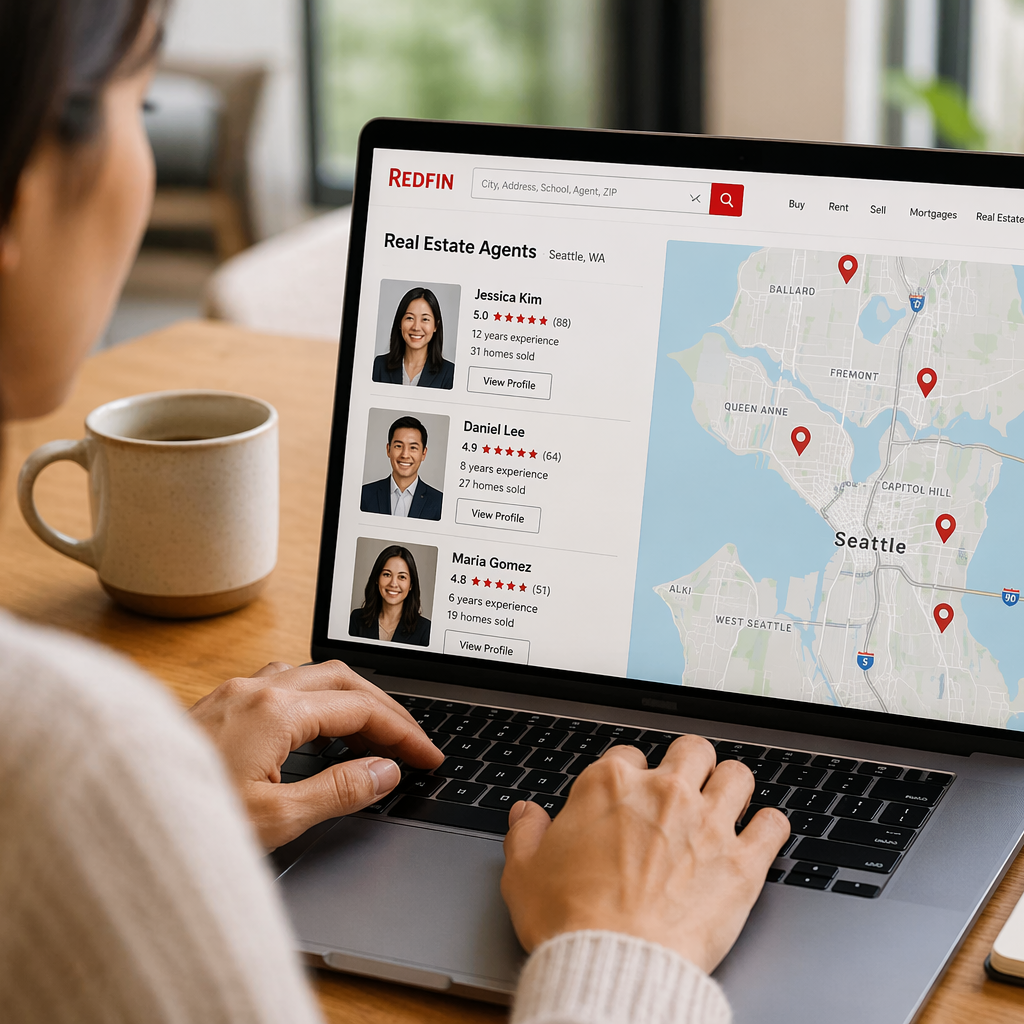
Begin by searching online for real estate agents in your area. Many platforms allow you to filter results based on location, specialties, and customer reviews. Company websites and real estate marketplaces will often provide agent profiles outlining credentials, recent transactions, and client feedback. This is a helpful starting point when assembling your list of potential agents.
Seeking recommendations
Ask friends, family, or colleagues about their recent real estate experiences. Recommendations from people you trust can help you identify agents known for clear communication and good service. Even if you receive a glowing endorsement, remember to verify the agent’s credentials and reviews yourself. It’s wise to combine referrals with your own research for a balanced view.
What Questions Should I Ask Agents?
Evaluating communication style
Communication is a key factor in a successful agent partnership. Ask agents how they typically keep clients informed and what methods they use—such as phone, email, or text. Find out how quickly you can expect responses to questions or updates during your transaction. Choosing an agent with a communication style that matches your preferences helps set the tone for an effective working relationship.
Learning about transaction experience
Inquire about the number and types of transactions the agent has handled recently. Ask whether they have experience with homes like yours, or in neighborhoods you’re considering. Understanding their past work provides valuable insight into how they’ll approach your needs and helps you gauge their familiarity with similar situations.
Step-by-Step: Comparing Agents Near Me
Step 1: Gather potential agent names
Start with a list of agents from your online search, referrals, and local advertisements. Aim for at least three candidates so you can compare and contrast their qualifications.
Step 2: Check licenses and reviews
Verify each agent’s license status with your state’s real estate commission. Read recent client reviews to look for consistent strengths or areas where clients mention concerns. This step helps ensure you’re considering reputable, trustworthy professionals.
Step 3: Interview each agent
Set up interviews to discuss your goals, preferred timeline, and any specific needs. Prepare a standard list of questions so you can judge each agent’s answers fairly. Pay attention to how each agent listens to your concerns and explains their approach.
Step 4: Compare service offerings
Ask about marketing, negotiation support, and availability. Some agents may offer virtual tours, staging advice, or flexible showing schedules. List the services that matter most to you, and see how each candidate delivers in those areas.
Step 5: Assess fit for your needs
After completing interviews and comparing notes, reflect on which agent seems like the best fit for your style and priorities. Think about their communication skills, local expertise, service offerings, and whether you felt comfortable during discussions. If you’re unsure, don’t rush the choice—take time to follow up with more questions if needed.
How Can I Avoid Common Agent Mistakes?
Spotting warning signs
Watch for red flags during your search. This may include a lack of responsiveness, vague answers about credentials, or inconsistent client feedback. If an agent seems reluctant to provide details or pushes you to make quick decisions, proceed cautiously.
Staying objective in your selection
Stay focused on facts throughout the process. Review each agent’s qualifications, communication style, and client satisfaction objectively. Try not to let personality alone guide your decision—your agent should be competent, clear, and dedicated to your needs.
What If I’m Not Ready to Choose?
Researching discreetly
You may want to gather information before announcing your intentions. Most online resources allow you to read reviews, view profiles, and compare agents without making direct contact. This lets you explore your options privately before committing to a conversation.
Understanding your options
There’s no pressure to choose an agent before you’re ready. Take your time to research, collect questions, and outline what you want in a professional partnership. As the market or your plans change, you’ll have a solid foundation for making a decision when the time is right.