


Key Takeaways
-
Small mistakes during the selling process can reduce your home’s final sale price without you noticing. Careful planning, preparation, and smart decisions can help you protect your property’s value.
-
A well-presented, fairly priced, and properly marketed home attracts more serious buyers, creates stronger offers, and improves your chances of achieving the best possible sale price.
Why Every Home Seller Should Pay Attention
When you decide to sell your property, you naturally want the highest possible return. However, many home selling mistakes happen quietly throughout the process. They may seem minor at first, but together they can reduce your final sale price more than you expect.
The good news is that most of these mistakes are avoidable. By understanding where sellers often go wrong, you can make better decisions, attract more buyers, and negotiate from a stronger position. Every step matters, from preparing your home to handling offers.
1. Why Is Setting The Wrong Asking Price A Problem?
One of the biggest home selling mistakes is choosing the wrong asking price.
Many sellers believe pricing higher leaves room for negotiation. In reality, an overpriced home often receives less attention. Buyers may skip your listing because similar homes appear to offer better value.
Pricing too low can also work against you. While it may attract interest, you could receive offers that do not reflect your home’s true value.
A balanced pricing strategy helps you:
-
Attract qualified buyers.
-
Encourage stronger competition.
-
Keep your property active in searches.
-
Build confidence among potential buyers.
A realistic asking price creates a better first impression and improves your chances of receiving competitive offers.
2. Could Poor Home Presentation Reduce Buyer Interest?
First impressions have a lasting impact.
When buyers enter your home, they quickly form opinions based on what they see. Small issues that seem unimportant to you may stand out immediately to someone looking for a new home.
Before listing your property:
-
Clean every room thoroughly.
-
Remove unnecessary items.
-
Organize storage spaces.
-
Improve natural lighting.
-
Freshen up outdoor areas.
A clean and inviting home allows buyers to imagine themselves living there instead of focusing on distractions.
3. Are Small Repairs Really Worth Completing?
Many sellers ignore small maintenance problems because they believe buyers will overlook them.
Unfortunately, buyers often notice details such as:
-
Loose door handles.
-
Dripping faucets.
-
Cracked paint.
-
Damaged flooring.
-
Broken light fixtures.
Even minor problems can create the impression that larger issues exist beneath the surface.
Completing basic repairs before listing shows that your home has been well cared for. It also reduces opportunities for buyers to negotiate a lower price.
4. Why Should You Avoid Poor Listing Photos?
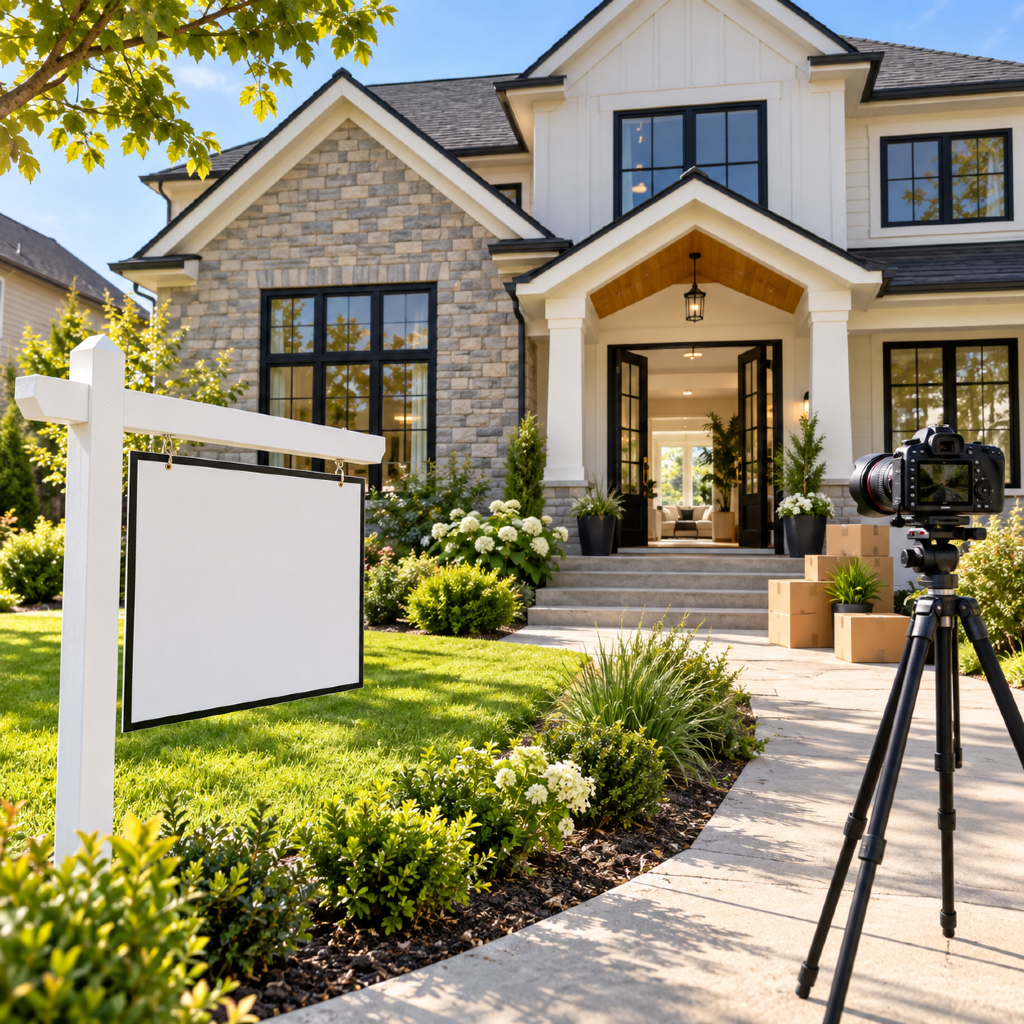
For many buyers, online photos provide the first introduction to your property.
Dark, blurry, or poorly framed images can discourage buyers before they even schedule a viewing.
High-quality photos should:
-
Show each room clearly.
-
Highlight natural light.
-
Capture the home’s best features.
-
Present clean and organized spaces.
-
Include attractive exterior views.
Good photography encourages more interest, more viewings, and greater competition among buyers.
5. Are You Letting Emotions Influence Your Decisions?
Selling a home often carries emotional value.
You may have many personal memories connected to your property. However, buyers do not see those memories. They evaluate the home based on condition, location, layout, and value.
Allowing emotions to influence decisions can lead to:
-
Rejecting reasonable offers.
-
Refusing constructive feedback.
-
Delaying negotiations.
-
Setting unrealistic expectations.
Treating the sale as a business decision helps you remain objective throughout the process.
6. How Can Limited Marketing Hurt Your Sale Price?
Even an excellent property cannot attract buyers if few people know it is available.
One of the most overlooked home selling mistakes is relying on limited marketing exposure.
Strong marketing should include:
-
Clear property descriptions.
-
High-quality images.
-
Wide online visibility.
-
Accurate property information.
-
Consistent communication with interested buyers.
The more qualified buyers who see your home, the greater your opportunity to receive stronger offers.
7. Why Should You Prepare For Home Viewings?
Every viewing gives buyers a chance to imagine making your property their own.
If your home feels crowded, untidy, or poorly maintained during viewings, buyers may lose interest quickly.
Before each viewing:
-
Open curtains to increase natural light.
-
Keep rooms clean.
-
Remove personal items.
-
Reduce unnecessary furniture.
-
Create a fresh and welcoming atmosphere.
Simple preparation helps buyers focus on the home’s strengths rather than its flaws.
8. Could Ignoring Buyer Feedback Cost You Money?
Feedback provides valuable insight throughout the selling process.
If multiple buyers mention the same concern, it deserves attention.
Common feedback may involve:
-
The asking price.
-
Home condition.
-
Room layout.
-
Storage space.
-
Overall presentation.
Instead of dismissing comments, use them to improve your listing. Small adjustments can increase buyer confidence and encourage better offers.
Remaining flexible helps you respond to changing market conditions without losing valuable opportunities.
9. Are Weak Negotiation Decisions Reducing Your Final Sale Price?
Negotiation continues long after an offer arrives.
Some sellers focus only on the offer amount while overlooking other important factors.
During negotiations, consider:
-
Buyer readiness.
-
Closing flexibility.
-
Inspection requests.
-
Repair discussions.
-
Overall transaction strength.
Avoid making quick decisions under pressure. Take time to review every part of an offer before responding.
Thoughtful negotiations often protect your final sale price while helping both parties reach an agreement.
How Can You Avoid These Home Selling Mistakes?
Avoiding home selling mistakes begins long before your property reaches the market.
You can improve your results by creating a clear plan and reviewing every stage of the selling process.
Focus on:
-
Preparing your home carefully.
-
Pricing realistically.
-
Completing necessary repairs.
-
Presenting every room well.
-
Using strong marketing.
-
Listening to buyer feedback.
-
Staying flexible during negotiations.
-
Making informed decisions instead of emotional ones.
Each improvement may seem small on its own, but together they can significantly strengthen your position in the market.
What Should You Remember Before Accepting An Offer?
Receiving an offer is an exciting step, but it should never be the end of your evaluation.
Before accepting an offer, ask yourself:
-
Does the offer reflect your home’s value?
-
Are all important terms acceptable?
-
Is the buyer financially prepared?
-
Have you reviewed every condition carefully?
-
Have you considered all available options?
Taking a little extra time can help you avoid costly decisions and improve the overall outcome of your sale.
Moving Forward With Confidence
Selling your home successfully involves much more than simply placing it on the market. By avoiding common home selling mistakes, you give yourself a better chance of protecting your property’s value and achieving a stronger final sale price. Careful preparation, smart pricing, effective presentation, and thoughtful negotiations all play an important role.
If you would like more expert advice on selling your home with confidence, sign up on our website for helpful real estate updates and practical guidance. You can also get in touch with a qualified real estate professional who can help you make informed decisions throughout your selling journey.