

Key Takeaways
- Specialized agents can help you navigate unique historic home challenges with confidence.
- Thoroughly vetting agent experience and resources leads to smoother, more successful transactions.
Choosing the right real estate agent is essential when buying or selling a historic property. Agents with preservation expertise offer insights and skills that protect your interests. By asking the right questions, you’ll gain confidence in your selection and ensure your transaction runs smoothly—especially in today’s diverse real estate market.
Why Historic Preservation Expertise Matters
The unique value of preservation agents
A historic preservation agent understands more than just sales; they recognize the architectural, cultural, and legal details that come with historic homes. These professionals stay up to date on regulations, the significance of certain features, and the processes needed for restoration or modification. As a result, they can guide you through the specific steps involved in handling properties that carry heritage status or are located within designated districts.
Risks of working with non-specialists
Choosing an agent with limited historic home experience can increase your risk of compliance oversights and missed opportunities. Non-specialists may not spot restoration needs or know how to address possible constraints regarding alterations. Without this knowledge, you might encounter delays, increased costs, or issues with local preservation authorities, making the process less predictable and potentially stressful.
What Experience Do You Have?
Types of historic properties handled
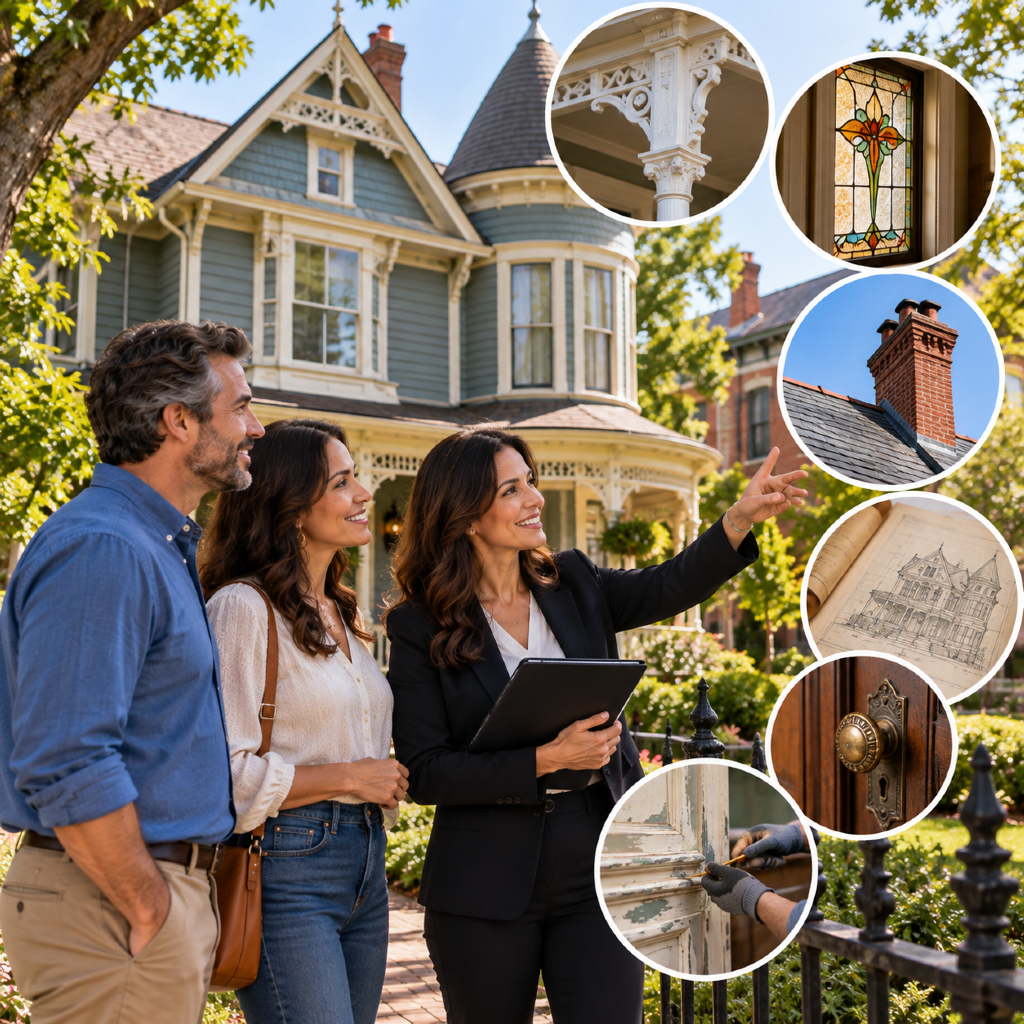
You should ask your prospective agent about the types of historic properties they’ve worked with—whether grand Victorian houses, mid-century modern homes, or commercial buildings with landmark status. Diverse experience signals a well-rounded understanding of what sets historic properties apart and prepares the agent for challenges specific to your property type.
Relevant certifications and training
Look for agents who can point to specialized certifications, coursework, or participation in preservation organizations. Credentials like a Historic Real Estate Professional designation, or comparable training, indicate the agent is committed to professional development and qualified to navigate complex historical matters. While specific titles vary by region, a commitment to ongoing education is a universally valuable trait.
How Do You Help With Local Regulations?
Navigating permits and historical laws
Historic properties are often subject to unique rules regarding renovation, demolition, and repairs. An experienced agent will understand local ordinances and can explain which permits are needed, what restrictions exist, and how historic designation impacts property use. Ask how they stay current on changing laws—this will assure you that your agent isn’t just following protocol but also advocating for your compliance and peace of mind.
Coordinating with local preservation boards
Often, you’ll need to work with local preservation commissions or committees before making changes to a historic property. Agents with relevant expertise can streamline communication, coordinate public hearings if necessary, and prepare documentation for board review. Their experience can make these often-complex administrative steps much more manageable.
Can You Recommend Preservation Resources?
Contractors familiar with historic homes
Restoration and maintenance of historic homes require specialized skills. Ask whether your agent has connections to contractors who are experienced in historic features, materials, and preservation practices. Reliable recommendations help ensure any repair or upgrade respects the property’s character and complies with relevant standards.
Architects and consultants
Beyond contractors, qualified agents should be able to suggest architects or consultants with backgrounds in historic preservation. These professionals help you design appropriate updates, assess the feasibility of renovations, and create plans that honor the home’s heritage. An agent’s established network demonstrates both credibility and dedication to the nuanced needs of historic properties.
What Marketing Strategies Do You Use?
Reaching niche buyer audiences
Marketing a historic home differs from listing a standard property. There’s value in connecting with buyers who appreciate architectural heritage, historical context, or the uniqueness of the building. Ask your agent about their approach to targeting these audiences, including specialized platforms, events, and networking efforts dedicated to preservation-minded buyers.
Highlighting historical features
Effective marketing goes beyond photos and listings. A skilled agent will know how to showcase your property’s historical significance, character-defining elements, and unique backstory. This could involve high-quality photography, storytelling in marketing materials, and even collaborating with local historians or architectural societies.
How Do You Handle Unexpected Challenges?
Resolving repair and maintenance issues
Historic homes sometimes reveal surprises—be it structural challenges, the need for historically accurate materials, or discovering undocumented modifications. Ask how your agent has responded to such issues in the past. An agent versed in historic preservation will approach repairs thoughtfully, valuing authenticity while offering practical solutions.
Managing setbacks in historic transactions
Delays can occur for a variety of reasons: regulatory reviews, specialized inspections, or title questions related to property age. A preservation-savvy agent can anticipate these complications and keep you informed, setting clear expectations and helping you overcome setbacks with minimal disruption.
What Sets Your Approach Apart?
Personal philosophy around preservation
Every agent brings their own philosophy to their work. Ask prospective agents how they balance preservation requirements with practical homeownership, as well as what draws them to historic properties. Their answer may reveal a passion for stewardship, community history, or creative problem-solving—qualities that can help you feel more confident moving forward.
Communication and client education techniques
Clear, consistent communication is essential throughout a historic home transaction. Learn how the agent educates clients about preservation fundamentals, outlines each stage of the buying or selling process, and addresses your questions in plain terms. The right agent is patient, knowledgeable, and proactive about keeping you informed.
Is a Preservation-Focused Agent Right for Me?
Situations where expertise is essential
Not every real estate transaction requires this level of specialization. However, if your property is locally or nationally designated, located in a protected district, or if you plan significant renovations, a preservation-focused agent is likely indispensable. Their knowledge reduces risks and makes compliance much smoother.
Evaluating your own needs and goals
Finally, reflect on what matters most to you. If preserving the historical integrity of your home is a high priority, or if you anticipate complex restoration work, specialized expertise will serve you well. If your needs are more straightforward, you may still benefit from at least an agent who is familiar with historic standards and networks.